China Top 10 Custom Packaging Bag Manufacturers
Choosing a packaging partner can shape how a product looks, travels, and feels in a customer’s hands. This guide to China’s top 10 custom packaging bag manufacturers helps buyers compare suppliers before requesting quotes. It focuses on practical factors: material options, printing methods, production capacity, order quantities, and communication.
The right custom packaging bags depend on the product and the buying process. A stand-up pouch for coffee may need a resealable zipper and a stable base, while a retail bag may prioritize clear color matching and durable handles. Small details matter. A print sample can reveal color shifts that a digital proof does not. This list is a starting point, not a guarantee of quality or suitability. Manufacturer capabilities and service terms can change, so confirm current specifications directly. Ask for material details, written lead-time estimates, and samples from comparable orders. Review relevant quality documentation, and check that packaging claims match the product and the requirements of its intended market. No supplier is perfect. Even a polished catalog leaves questions unanswered. A sample order and careful review can expose gaps before a larger commitment. Use this overview to narrow your options and prepare more specific questions for each manufacturer.
Definition and Scope of Custom Packaging Bags in the Flexible Packaging Industry
China Top 10 Custom Packaging Bag Manufacturers
Definition and Scope of Custom Packaging Bags in the Flexible Packaging Industry
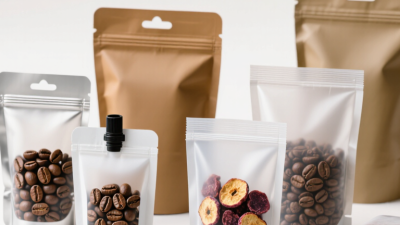
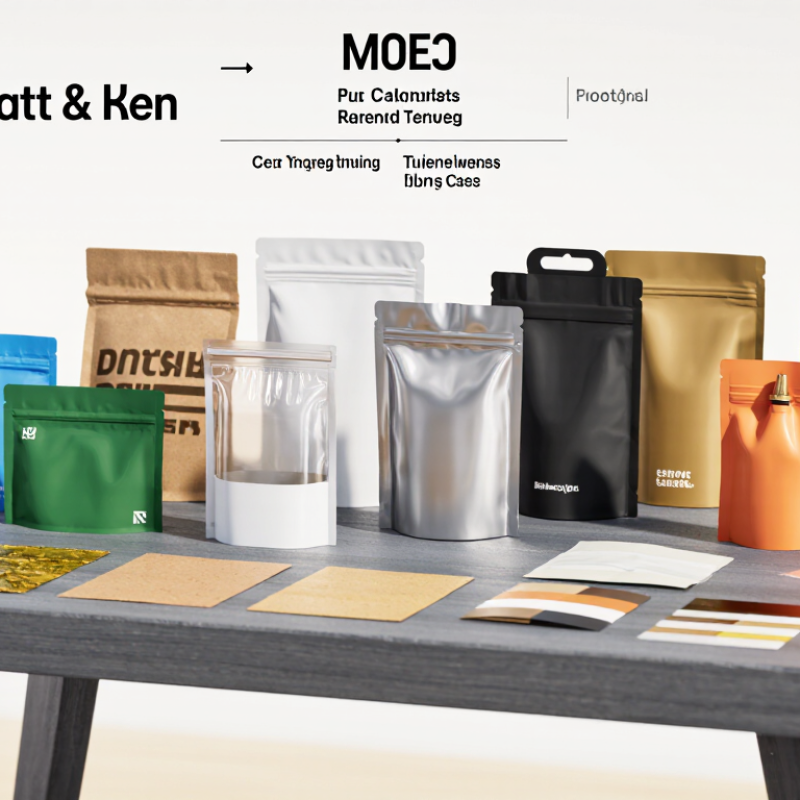
Custom packaging bags are flexible containers made to suit a product’s dimensions, protection needs, filling process, and presentation. Common formats include stand-up pouches, flat pouches, sachets, and bags with resealable closures. Materials may combine plastic films, paper, or foil, depending on barriers needed against moisture, oxygen, light, or grease. “Custom” describes the specification, not a single material or manufacturing method. The category spans food, personal care, household, and industrial applications.
The Flexible Packaging Association’s 2023 State of the U.S. Flexible Packaging Industry report estimated U.S. sales at $42.9 billion in 2022, about 21% of the domestic packaging market. This figure covers flexible packaging broadly, not custom bags alone. That distinction matters when comparing market estimates. In practice, a bag’s scope may include its film structure, dimensions, seal type, printing, and fit with packing equipment. A glossy printed pouch can look simple, yet its barrier layer and seal quality shape shelf life and line performance. The category’s boundaries can blur.
Tips: Specify product weight, filling conditions, and barrier requirements before choosing a bag format. Ask for samples and test seals on the actual packing line. A sample is not the whole story.
Custom Packaging Bags: Common Flexible Packaging Materials
Custom packaging bags are made in formats such as pouches and sachets, using materials selected for product protection, sealing, appearance, and end use. This chart compares approximate material densities in g/cm³; actual grades vary, and finished bags may combine several layers, so these figures are not finished-bag weights.
How Manufacturers Serve a U.S. Industry with $42.9B in 2022 Sales (FPA)
The U.S. flexible packaging industry recorded $42.9 billion in sales in 2022, according to the Flexible Packaging Association. That figure signals a substantial market for custom bags, but it does not guarantee demand for every product. Buyers need packaging that fits their filling equipment, protects the contents, and works for their customers. Chinese manufacturers can serve this market with made-to-specification bags, provided expectations are clear. Details matter: film structure, bag dimensions, zipper placement, print colors, and seal performance should be confirmed before production. A sample run can reveal issues that a polished sales sheet cannot.
Tips: Send a written specification and a physical product sample when possible. Ask how quality checks are recorded, and clarify production timelines, shipping terms, and sample approval steps. Test filled bags on your own equipment. Small differences in film thickness or seal settings can cause delays. Do not treat a low quote as proof of value.
There is no single “best” supplier for every order. Compare several manufacturers using the same specifications, then review samples and communication quality. Request clear documentation for material composition and food-contact suitability when relevant. Verify claims rather than relying on assumptions. A specification can still miss real-world handling conditions, so trial use matters. Planning takes effort, and sometimes the first sample needs revision.
The Top 10 Custom Packaging Bag Manufacturers and Their Core Products
China’s top 10 custom packaging bag manufacturers are best compared by their core products and production strengths, not by one universal ranking. Actual capabilities vary by factory, order size, and material. Flexible-packaging specialists commonly make stand-up pouches, zipper bags, and flat-bottom bags. Paper-bag producers focus on kraft shopping bags, handled sacks, and food-service bags. Woven polypropylene manufacturers supply durable sacks for grains, fertilizer, and building materials. Nonwoven bag makers produce reusable retail totes and promotional bags. Practical differences matter.
Other common specialties include vacuum bags for food storage, foil-laminated pouches for light and moisture protection, and mailing bags for e-commerce shipments. Some manufacturers offer spouted pouches for liquids, while others focus on small-batch custom printing or multi-layer barrier films. Check the details. Ask for material specifications, sample bags, seal-strength information, and clear print proofs before approving an order. A sample should be tested with the actual product; a pouch that looks sturdy may still leak at its seams. Also verify environmental claims against the exact material and local disposal options. I would not choose on price alone. That shortcut can cost more later.
Materials, Printing Methods, Barrier Properties, and Food-Contact Standards
Choosing among China’s top custom packaging bag manufacturers starts with the product, not the artwork. For dry snacks, paper-plastic laminates can balance appearance and handling; oily or moist foods often need stronger inner sealing layers. Ask for the exact structure. Common combinations include PET, PE, and aluminum foil, but every layer affects stiffness, sealing, and recyclability. A thicker film is not automatically better. Request samples and test them on your filling line. Small trials reveal problems.
Printing matters too. Rotogravure can suit long runs, while digital printing may reduce setup needs for shorter batches. Check ink adhesion, rub resistance, and color after lamination, not just on a fresh print. Barrier claims should come with oxygen- and moisture-transmission data and stated test conditions. Numbers need context. For food contact, request current declarations and migration-test reports for the finished bag, intended food type, and use temperature. Keep records. Requirements vary by destination, and documentation may have gaps. Ask questions rather than guessing, and have a qualified compliance specialist review materials before production.
How to Compare Suppliers by MOQ, Lead Time, Certifications, and Sustainability
When comparing China’s custom packaging bag manufacturers, treat MOQ as a product-specific figure, not a universal measure of affordability. Ask for separate quantities by bag size, material, print colors, and finish. A low quoted MOQ may exclude setup costs or apply only to an unprinted sample. Check whether the lead time starts after artwork approval, deposit, or sample sign-off. Request a dated production schedule, and keep shipping time separate. Small details matter. A few days lost to artwork changes can disrupt a launch.
Certifications need to match the material and intended use. Check the certificate’s scope, issuing body, and expiry date; a factory’s general quality certificate does not verify every product claim. For paper bags, ask for traceable sourcing documentation. For food-contact packaging, request evidence relevant to the destination market and intended use. Sustainability also deserves specific questions. The OECD’s 2022 Global Plastics Outlook reports that packaging accounted for about 40% of plastic waste generated globally in 2019. Ask for material composition, recycled content evidence, and realistic end-of-life guidance for your sales market. “Recyclable” on a specification sheet may not mean local facilities can process the bag. I would compare these points in a shared supplier table, then verify a production sample. Paperwork helps, but it can still leave gaps.
 Skip to content