How to Choose Custom Packaging Bags for Your Business?
Choosing the right custom packaging bags can shape how customers see your product before they open it. The bag must protect the contents, support your brand, and suit your daily packing process. A coffee roaster may need high-barrier film against oxygen and moisture. A clothing retailer may prefer a lightweight mailer with strong seals. Each product creates different demands.
Start by examining the product itself. Is it oily, fragile, sharp, dusty, or sensitive to light? Measure its weight and dimensions, then allow enough space for safe handling. Material choice matters too. Kraft paper can create a natural, tactile impression. Recyclable plastic may offer better moisture resistance. Reusable fabric bags can support premium positioning, but their higher cost needs careful review.
Do not judge suppliers by appearance alone. Request samples and test them under realistic conditions. Fill a bag, stack it, squeeze it, and check the closure. Printed colors may change between digital proofs and production. That detail is easy to miss. Ask about material specifications, printing methods, minimum order quantities, lead times, and quality inspections. Reliable suppliers should explain these points clearly.
Sustainability also requires honest evaluation. A recyclable bag is not automatically sustainable if local recycling systems cannot process it. Consider the full use cycle, including shipping weight and disposal options. I have seen attractive packaging create unnecessary waste because its design ignored storage and transport. That mistake is avoidable, although not every decision will be perfect. The best choice balances protection, appearance, cost, production reliability, and customer expectations. Your packaging should work beautifully in photographs and during real handling. Performance comes first.
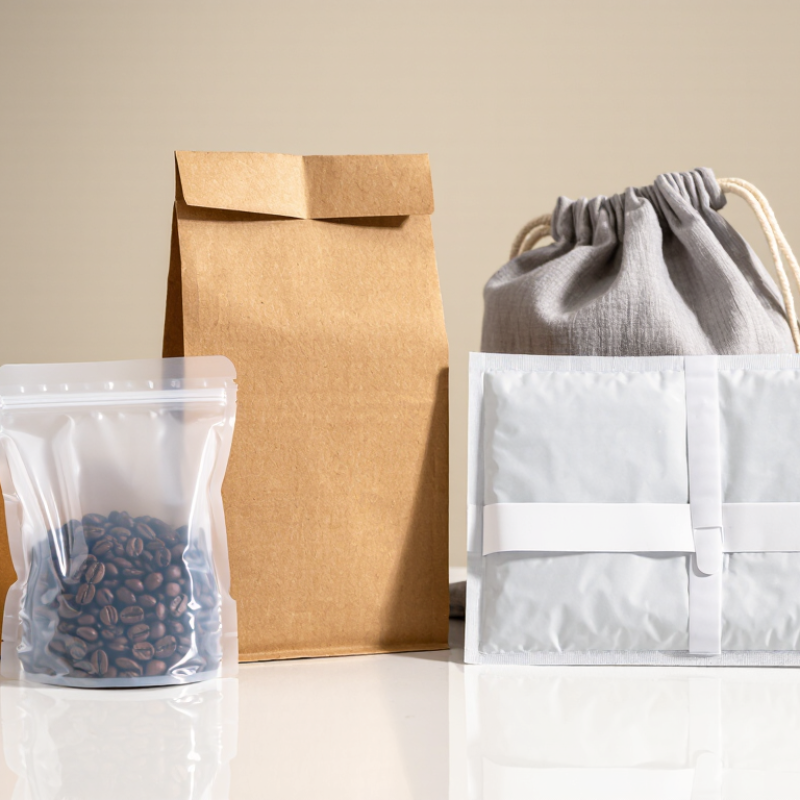
Define Your Product and Packaging Requirements
Choosing custom packaging bags begins with defining product and packaging requirements. The product should lead the decision, not a fashionable finish. Measure its length, width, height, and filling weight. Then consider texture, sharp edges, moisture, oil, light, and odor. A powder may need a strong seal. Fresh goods often need controlled breathability. Fragile items need cushioning or thicker film. Small details matter.
In practical packaging projects, I have learned that “one size fits all” rarely works. A bag that looks attractive may tear during filling or shipping. Test samples with real products, not empty bags. Check seal strength, opening speed, stacking behavior, and storage conditions. Also define the closure, handle style, printing area, and required quantity. Leave enough space for clear product information and safe handling instructions. Do not guess the material barrier. Ask a qualified packaging supplier for technical data and sample testing.
Cost needs a wider view. Compare material use, production waste, transport volume, and possible product damage. A cheaper bag can create expensive returns. It happens. Still, the most protective option is not always best. Excess material may increase waste and reduce customer convenience. Review your sales channel, climate, shelf life, and filling equipment before approval. I sometimes find that early specifications are incomplete. That is normal, but ignoring the gaps is risky. Record test results and revise the design before ordering a large batch.
Compare Bag Materials, Durability, and Sustainability
How to Choose Custom Packaging Bags for Your Business?
Choosing custom packaging bags begins with product requirements, not attractive colors. A bakery may need grease resistance, while fresh produce needs airflow and moisture control. Polyethylene offers reliable moisture protection and flexible sizing. Paper feels natural and prints clearly, but it can weaken when exposed to water. Woven polypropylene handles heavier loads and repeated movement. Material choice changes the bag’s whole performance.
Durability should be tested through real handling. Fill a sample with the intended weight, then drag it across a warehouse floor. Check the seams, handles, corners, and closure after several lifts. A thick bag is not automatically stronger. Poor sealing can defeat a durable film. Ask suppliers for tear, puncture, compression, and drop data. Independent test reports are more dependable than vague claims. In practical testing, small samples often reveal weaknesses that product photos hide.
Sustainability needs a wider view. Compare recycled content, production energy, transport weight, reuse potential, and disposal options. A lightweight bag may reduce shipping emissions, yet it becomes waste after one use. A reusable bag can perform better, but only if customers actually reuse it. Compostable materials also require suitable collection conditions, which many areas lack. This is easy to overlook. Review local disposal systems before printing environmental promises. A modest, verifiable claim is safer than an impressive statement that later needs correction.
How to Choose Custom Packaging Bags for Your Business?
Compare bag materials by representative tensile strength and sustainability performance.
Tensile-strength values are representative midpoints of commonly reported material ranges and indicate resistance to pulling and tearing. Sustainability scores use a five-point benchmark that considers recyclability, recycled-content availability, renewable feedstock, and typical end-of-life options. Actual performance depends on thickness, laminate structure, coating, local recycling infrastructure, and bag design.
Choose the Right Bag Size, Shape, and Closure
How to Choose Custom Packaging Bags for Your Business?
Choosing the right bag starts with the product, not the artwork. Measure its length, width, and height after filling. Then add enough headspace for easy handling and reliable sealing. A bag that fits too tightly may split at the corners. Too much empty space can make products shift during shipping. I once approved a sample that looked efficient, but the contents settled unevenly. The final package felt unstable on a shelf.
Shape also affects storage, appearance, and production cost. Flat bags suit powders, documents, and lightweight items. Stand-up pouches work better when shelf presence matters. Gusseted bags can hold bulkier products without excessive width. Check the bottom fold carefully. It must open fully and remain balanced when filled. Make a physical sample before ordering in quantity. Photos rarely show how a bag behaves under real weight.
Closure selection should match repeated use and product protection. A zipper supports daily access, while a heat seal provides stronger tamper evidence. Press-to-close systems feel convenient, but they may not protect sensitive contents from moisture for long periods. Test the closure with gloves, wet hands, and the actual filling speed. Small details matter. Confirm seal width, opening strength, and leak resistance with documented checks. One weakness remains easy to miss: users may overfill the bag and damage its closure. Clear fill limits can prevent that mistake.
Plan Custom Printing, Branding, and Legal Information
Custom packaging bags should communicate clearly before they attract attention.
Start with the product’s weight, moisture exposure, storage time, and transport conditions. A thin pouch may look efficient, yet it can split at a sharp corner. Choose film structure, seal strength, and handle design through physical testing, not appearance alone.
Plan printing before approving the artwork.
Reserve space for the product name, net quantity, ingredients, warnings, origin, batch code, and expiry details where required. Legal information varies by market, so confirm it with a qualified compliance professional. Avoid unsupported claims such as “eco-friendly” or “fully recyclable.” The OECD reported that only 9% of global plastic waste was recycled, making disposal claims especially sensitive. McKinsey’s 2023 packaging survey found that 60–70% of consumers may pay more for sustainable packaging, but intention does not replace evidence.
Tips:
Use a quiet color zone behind small text. Keep critical details above the bottom seal. Test QR codes after printing. Ask for a real filled sample. I have seen attractive layouts fail because the barcode curved around a gusset. That mistake is easy to miss.
Use custom printing to build recognition, but protect readability.
Strong contrast matters under warehouse lighting. Include recycling instructions only when local systems can support them. Material declarations should match the actual bag, ink, adhesive, and closure. Keep an approved artwork record, supplier specification, and test report together. A useful design can still need revision.
 Skip to content