Top 10 Types of Custom Product Packaging Bags for Global Buyers

Choosing the right packaging is rarely a simple design decision. For global buyers, custom product packaging bags must protect goods, communicate value, and survive long supply chains. A coffee pouch may face heat, moisture, and rough handling. A cosmetic bag may need a soft finish, precise printing, and dependable resealing. Small details matter.

Packaging researcher Louis Cheskin famously observed, “The package is the product.” His view remains relevant today. Buyers often judge quality before opening the bag. Material thickness, zipper alignment, seal strength, odor, and print accuracy can influence that judgment. This guide introduces the top 10 types of custom product packaging bags, from stand-up pouches and flat bags to kraft paper options and recyclable structures.

The comparison focuses on practical buying factors. These include barrier performance, minimum order quantities, customization methods, shipping efficiency, and end-of-life considerations. Experienced sourcing teams should also request samples, inspect production consistency, and verify food-contact or product-specific requirements. A low price can become expensive after leakage, fading, or delayed delivery.

There is no perfect bag for every market. A glossy laminated pouch may look premium, yet recycling expectations can challenge its appeal. A paper bag feels natural, but it may need additional protection against moisture. These trade-offs deserve honest attention. The following overview helps global buyers compare options clearly, avoid weak assumptions, and select packaging that fits the product, customer, and destination market.
Top 10 Types of Custom Product Packaging Bags for Global Buyers

Custom Product Packaging Bags: Classification and Key Functions

Top 10 Types of Custom Product Packaging Bags for Global Buyers

Custom product packaging bags are classified by structure, opening style, material, and sealing method. Each type serves a different protection and display function.

Flat pouches suit lightweight products and offer efficient storage. Stand-up pouches provide shelf stability and visible front panels.

Three-side-seal bags work well for single-use portions and samples. Gusseted bags create extra internal volume for larger contents. Quad-seal bags improve shape retention during transport.

Spout pouches support controlled pouring for liquids and semi-liquid products. Vacuum bags reduce air exposure and help protect suitable food products.

Rollstock allows high-speed filling when packaging lines are already available. Paper-based bags offer a natural appearance, but moisture resistance needs careful testing. Woven polypropylene bags handle heavier dry goods and repeated movement.

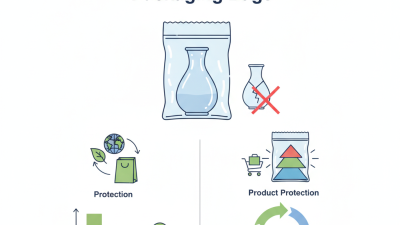
Function should guide selection, not appearance alone. Barrier layers may reduce oxygen, light, or moisture transfer. Strong seals help prevent leakage and contamination.

Zippers support repeated opening, while tear notches improve convenience. Transparent windows can improve product visibility, although they may weaken barrier performance.

Custom printing supports product information, handling instructions, and traceability details. Materials and inks must match the destination market’s packaging requirements.

Real purchasing decisions involve trade-offs. A thicker bag is not always safer or more sustainable. In practice, the first sample is rarely perfect.

Test early.

Drop tests, seal-strength checks, and transport simulations reveal weak points. Packaging teams should also review filling speed, storage conditions, recycling limits, and minimum order quantities.

Local climate matters too. Humid warehouses can expose poor material choices quickly. A reliable specification records dimensions, tolerances, layers, closures, and inspection standards before production.
Stand-Up Pouches, Flat Pouches, and Three-Side Seal Bags

Top 10 Types of Custom Product Packaging Bags for Global Buyers

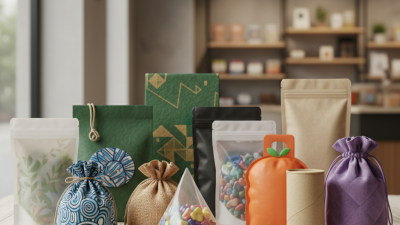
Stand-up pouches are the strongest growth option among modern flexible formats. Smithers reported that the global flexible packaging market could reach about US$371.4 billion by 2028. Their bottom gusset helps bags stand on shelves and during online delivery. A zipper supports repeated use, while a tear notch improves opening. Buyers should test zipper alignment, seal strength, and drop resistance. A pouch that looks attractive can still fail after filling.

Flat pouches use less material and ship efficiently. They suit snacks, powders, samples, and lightweight products. Three-side seal bags offer simple construction and reliable filling performance. Their open top supports high-speed packing lines. In practical trials, seal width, film thickness, and product dust often affect leakage more than printed design. This detail is easy to underestimate. Flat formats also need careful handling because sharp contents may stress the corners.

Material selection requires evidence, not assumptions. The OECD estimated that only 9% of global plastic waste was recycled in 2019. Buyers should therefore request recyclability guidance, barrier test results, and documented material specifications. Oxygen and moisture transmission rates matter for freshness. However, one universal structure rarely fits every market. Local recycling systems, humidity, transport distance, and filling temperature can change performance. A lower-cost bag may create higher waste when seals fail.

Paper Bags, Shopping Bags, Drawstring Bags, and Zipper Bags

Top 10 Types of Custom Product Packaging Bags for Global Buyers

Paper Bags, Shopping Bags, Drawstring Bags, and Zipper Bags

Custom packaging starts with product weight, handling conditions, and customer expectations. Paper bags suit books, gifts, bakery items, and lightweight retail products. Recycled kraft paper offers a natural appearance and good print clarity. Reinforced handles reduce tearing during busy shopping periods. However, paper loses strength when exposed to rain. Buyers should request tested paper weight and handle construction.

Shopping bags can use paper, woven fabric, or flexible recycled materials. Their size should match the product closely. Excess space can cause movement and damage. Drawstring bags provide quick access for shoes, accessories, travel items, and promotional goods. Cotton feels soft and reusable, while polyester often resists moisture better. Stitch quality matters. Loose seams can fail before the fabric does.

Zipper bags protect small products from dust, spills, and repeated opening. Transparent panels help customers inspect contents without unpacking them. Food-contact applications require suitable materials and documented testing. Packaging suppliers should confirm dimensions, closure strength, print durability, and sampling procedures. Small details matter. I have seen attractive bags fail because the zipper was too weak or the cord ends were unfinished. A sample may look excellent, yet production can vary slightly. Buyers should inspect random units, not only the approved sample. This step is easy to overlook.

Vacuum Bags, Foil Barrier Bags, and Biodegradable Bags

Top 10 Types of Custom Product Packaging Bags for Global Buyers

Vacuum bags suit meat, cheese, coffee, and other products needing reduced oxygen exposure. Their tight seal can limit freezer burn and protect texture during transport. Choose the film structure according to temperature, puncture risk, and filling equipment. A practical sample test should include sealing strength, leakage checks, and repeated handling. Small details matter.

Foil barrier bags provide strong protection from light, moisture, and oxygen. They work well for powdered foods, sensitive ingredients, and products with strict shelf-life targets. Ask suppliers for barrier data, seal-temperature ranges, and migration test reports where applicable. A shiny surface looks convincing, but appearance alone proves little. Poor seals still fail.

Biodegradable bags can support sustainability goals when disposal conditions match the material design. Some need industrial composting rather than ordinary household disposal. Buyers should verify certifications, breakdown claims, printing compatibility, and storage stability. A bag that degrades too early is a packaging failure. Yet choosing a “green” option without checking local waste systems is also careless. Custom dimensions, zipper styles, and tear notches can improve usability, but every added feature may affect cost, recycling, or seal performance. Request production samples before approving large quantities.

Global Buyer Criteria for Custom Packaging Bag Selection

Top 10 Types of Custom Product Packaging Bags for Global Buyers

Global buyers usually begin with product protection, not decoration. A packaging bag must match the product’s weight, moisture level, shape, and transport route. For example, powdered goods may need strong heat seals, while fresh products require controlled ventilation. Flat bags, stand-up pouches, gusseted bags, zipper bags, and rollstock each serve different packing systems.

Material selection requires careful verification. Paper-based bags can support a natural appearance, but they may weaken in humid warehouses. Plastic structures often offer better moisture resistance, yet their recycling options vary by market. Ask suppliers for material specifications, seal-strength results, thickness tolerances, and migration reports when relevant. Do not rely on a sample alone. Samples can hide production inconsistencies.

Useful criteria include bag dimensions, filling speed, closure type, print accuracy, minimum order quantity, and delivery stability. Check whether the bag runs smoothly on your equipment. A zipper that feels excellent by hand may jam during automated packing. Request trial production before placing a large order. Confirm packaging laws in each destination country, especially labeling, recyclability, and food-contact requirements. Supplier audits, clear inspection standards, and traceable batch records also reduce risk. Still, no checklist is perfect. We once underestimated warehouse humidity, and the outer cartons softened. The design looked right. The logistics plan did not.

Top 10 Types of Custom Product Packaging Bags for Global Buyers - Global Buyer Criteria for Custom Packaging Bag Selection
No. Custom Bag Type Common Material Structure Typical Product Uses Main Functional Benefits Barrier and Closure Options Sustainability Considerations Key Global Buyer Selection Criteria
1 Stand-Up Pouch PE PET/PE Paper-Laminated Dry foods, snacks, pet treats, detergents, personal-care products Efficient shelf display, lightweight construction, large printable surface, convenient storage Low to high barrier options; zipper, spout, tear notch, and heat-seal closures Mono-material PE or PP designs may support simpler recycling where suitable collection systems exist; multilayer structures can be difficult to recycle Product protection, filling compatibility, pouch stability, seal strength, print quality, minimum order quantity, and destination-country recycling requirements
2 Flat Bottom Bag Paper/PE PET/PE High-Barrier Laminate Coffee, pet food, grains, flour, nuts, and powdered products Stable base, strong shelf presence, good volume utilization, and broad front and side panels for graphics Optional oxygen and moisture barriers; zipper, tin tie, valve, and heat-seal formats Paper-based versions can reduce plastic content, but coatings, laminates, and food contamination may affect recycling routes Bag rigidity, product weight, filling-line performance, aroma retention, one-way valve requirements, pallet efficiency, and shipping durability
3 Three-Side-Seal Pouch PE Film PET/PE Barrier Laminate Single-use samples, sauces, medical items, wipes, snacks, and powdered products Compact format, economical material use, easy stacking, and flexible size customization Moisture, oxygen, light, or aroma barriers can be selected according to the product; tear notches and laser scoring are common Mono-material film may improve recyclability potential; mixed-material laminates generally require specialized processing Accurate dosing, seal integrity, puncture resistance, product shelf life, sample-size requirements, and compatibility with automatic packing equipment
4 Spouted Pouch PE PET/PE Retort-Grade Laminate Liquid foods, beverages, baby products, sauces, detergents, and personal-care formulas Controlled dispensing, resealability, lower transport weight than rigid containers, and convenient handling Heat-sealable films with fitments; cap, nozzle, and spout position can be customized; retort structures are available for suitable products Material combinations should be reviewed with the intended recycling system; lightweighting can reduce transport-related material use Spout and cap safety, leak resistance, dispensing performance, compatibility with filling and sterilization processes, and regulations for food or chemical contact
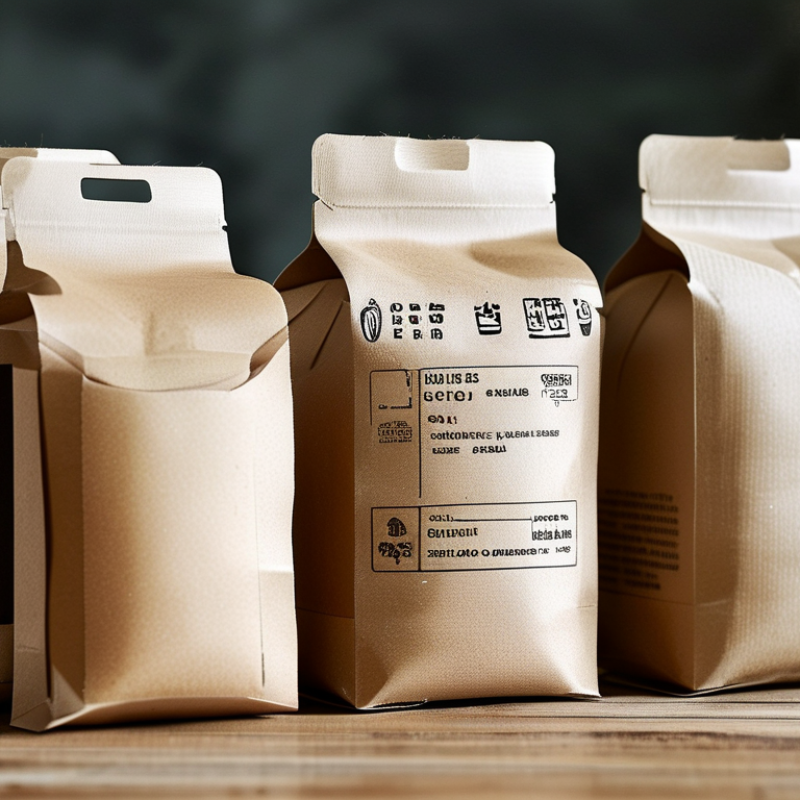
5 Side-Gusset Bag Kraft Paper Paper/PE PET/PE Coffee, tea, rice, grains, pet food, animal feed, and bulk dry goods High capacity, efficient use of storage space, strong branding area, and compatibility with multiple filling formats Heat seals, folded closures, tin ties, zippers, and one-way degassing valves; barrier level depends on the chosen structure Uncoated paper is generally more compatible with paper recycling than laminated paper; barrier coatings may change disposal options Load-bearing strength, bag dimensions, aroma and moisture protection, closure reliability, machine filling speed, and export packaging requirements
6 Vacuum Bag PA/PE High-Barrier Film Retort Film Meat, seafood, cheese, coffee, medical supplies, and other products requiring reduced air exposure Air removal, compact packing, reduced oxidation, and improved protection against external contamination High puncture resistance and seal strength are important; oxygen-barrier layers may be included for sensitive products Multilayer vacuum films can be difficult to recycle; downgauging and mono-material alternatives should be assessed where performance allows Vacuum retention, puncture resistance, food-contact compliance, seal contamination tolerance, storage temperature, and packing-machine compatibility
7 Retort Pouch PET/Al/PA/CPP High-Barrier Retort Laminate Ready meals, soups, sauces, seafood, meat products, and shelf-stable foods Designed for heat processing, long ambient storage, low package weight, and efficient distribution High heat, oxygen, moisture, and light resistance; tear notches and easy-open features are commonly specified Complex multilayer structures may have limited recycling options; material reduction and compatible alternative structures require validation Retort temperature and time, delamination resistance, seal integrity, food-contact approval, shelf-life target, and processing-line validation
8 Paper Kraft Bag Kraft Paper Paper with Barrier Coating Paper/PE Bakery goods, dry foods, coffee, tea, powders, apparel, and retail products Natural appearance, printable surface, low visual plastic content, and suitability for dry-product packaging Folded, glued, stitched, or heat-sealed closures; grease, moisture, and oxygen protection depends on coating or liner selection Paper fiber recycling is generally established in many markets, but coatings, windows, inks, and product residues can affect recyclability Paper basis weight, carrying strength, moisture resistance, food-contact status, printing method, fiber sourcing, and local recycling guidance
9 Drawstring or Non-Woven Shopping Bag PP Non-Woven PET Non-Woven Cotton or Canvas Retail merchandise, promotional kits, apparel, gifts, and reusable product transport Reusable format, strong carrying handles, large decoration area, and suitability for repeated handling Drawstring, stitched handles, heat-sealed handles, or laminated surfaces; usually not intended as a hermetic barrier package Reuse frequency is important; textile and non-woven recycling depends on material type, contamination, and local collection infrastructure Fabric weight, load capacity, handle attachment, stitching quality, colorfastness, folding size, reuse expectations, and import labeling requirements
10 Biodegradable or Compostable Pouch PLA-Based Film Cellulose Film Certified Compostable Structure Dry foods, produce, tea, personal-care products, and selected short-life applications Supports sustainability positioning and can provide a renewable or compostable material option for suitable applications Barrier, heat-seal performance, and shelf life vary significantly by material; zipper and printing options require compatibility testing “Compostable” performance depends on the applicable standard and industrial or home-composting conditions; it should not be assumed to biodegrade in ordinary landfill or marine environments Recognized certification, intended disposal route, shelf-life requirement, humidity sensitivity, sealing temperature, regulatory claims, and consumer disposal instructions
Note: Actual packaging performance depends on the selected material structure, thickness, product characteristics, filling process, storage conditions, and destination-market regulations. Buyers should request food-contact documentation, migration test results, seal-strength data, and packaging validation samples before mass production.