Skip to content
Packaging is no longer a quiet container. It is a visible part of product quality, brand trust, and environmental responsibility. Smithers’ The Future of Global Flexible Packaging to 2028 estimates that the worldwide flexible packaging market could exceed $350 billion by 2028. This growth creates opportunity, but it also increases buyer expectations.
Choosing custom packaging bags requires more than selecting attractive colors. Bag structure, sealing strength, barrier performance, filling equipment, and transport conditions must work together. The OECD’s Global Plastics Outlook reports that packaging represents approximately 40% of global plastic waste. That figure makes material selection impossible to ignore. Lightweight packaging can reduce material use, yet weak films may cause leakage, product loss, and unnecessary waste.
These ten tips focus on practical decisions. They consider product protection, shelf presentation, production efficiency, and responsible material choices. A coffee pouch may need oxygen and moisture barriers. A frozen-food bag may require flexibility at low temperatures. A stand-up pouch must remain stable after repeated handling. Small details matter.
There is no perfect bag for every product. Sometimes, a visually impressive package performs poorly during shipping. Sometimes, a recyclable-looking structure lacks verified recycling access. That uncomfortable gap deserves attention. The Sustainable Packaging Coalition and major packaging testing laboratories recommend evaluating the full packaging system, not only the film itself. Reliable decisions combine supplier documentation, laboratory testing, pilot production, and real-world feedback. The following guide explains how to assess custom packaging bags with clearer specifications and fewer costly surprises.
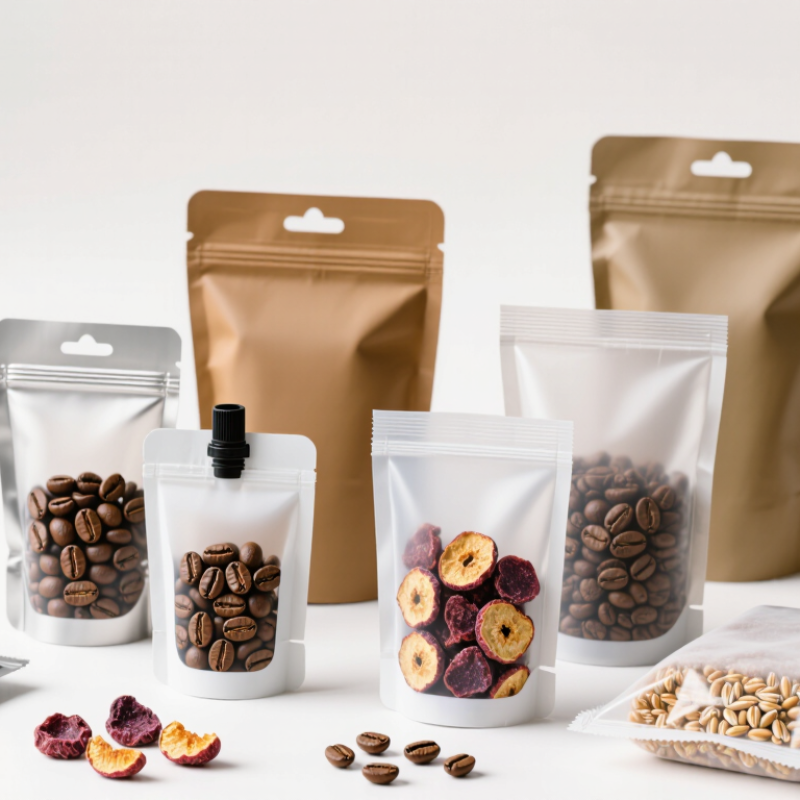
Before choosing custom packaging bags, define what the product truly needs. Measure its length, width, height, and filling volume. Include extra space for safe sealing and easy handling. A powder may need strong seals, while fresh goods may require moisture control. Small details matter.
Think about the product’s journey. Will the bag face heat, humidity, stacking, or rough transport? Select a suitable material, thickness, closure, and barrier level based on these conditions. Ask for samples before approving production. Test the filled bag, not only the empty one. Check seal strength, leakage, tearing, and how well the bag stands on a shelf. I once focused too much on appearance and overlooked opening comfort. That was a useful mistake.
Tips: Write a clear packaging requirement sheet. Record the product weight, target shelf life, storage environment, bag dimensions, closure style, and printing needs. Add realistic performance targets. Avoid choosing excessive material without evidence. It may raise costs and create unnecessary waste. Discuss food-contact or product-safety requirements with qualified suppliers and confirm their test documents. Keep a few filled samples for later comparison. Requirements can change after handling trials. That is normal. Recheck them before final production.
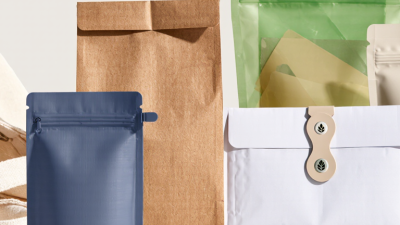
Choosing custom packaging bags starts with the product, not the artwork. A dry snack may need moisture protection, while roasted coffee often needs oxygen and aroma control. Powders can expose weak seals quickly. I once treated material selection as a simple price comparison. That approach missed storage humidity and handling conditions. Good specifications begin with those details.
For moisture-sensitive goods, laminated films with strong water-vapor resistance may be appropriate. Oxygen-sensitive products may need an oxygen barrier and light protection. High-barrier structures can use multiple layers, but extra layers may complicate recycling and production. A clear bag improves visibility. It may offer less light protection. Sealant choice matters too. A strong film is useless if the seal opens during transport.
Ask suppliers for measured WVTR and OTR data under stated test conditions. Test filled bags after heat sealing, stacking, temperature changes, and shipping vibration. Small trials often reveal curling, pinholes, or brittle seals. Do not trust a single laboratory number. Performance can change with print coverage, pouch shape, and seal width. My preference is to define the barrier target before choosing the film. Still, I would revisit that decision after real shelf-life testing.
Compare representative oxygen and moisture barrier performance for common flexible packaging materials. Lower values indicate stronger barrier protection.
Representative values for approximately 50 μm films tested under commonly used laboratory conditions: OTR at 23°C and 0% relative humidity, and WVTR at 38°C and 90% relative humidity. Actual results vary with thickness, humidity, coating quality, seals, and laminate structure. For high-barrier applications, multilayer structures should be validated with the intended product and storage conditions.
Determine the Right Bag Size, Shape, and Opening Style
Bag dimensions should begin with the product, not a standard template. Measure the product when settled, then add practical headspace for filling and sealing. A useful starting point is 5–10% extra volume, but fragile or dusty products may need more. The first prototype may look slightly oversized. That is acceptable. A squeezed zipper can reduce usable capacity. A gusset can improve stability on shelves, while a flat pouch often saves storage space. EPA data recorded 82.2 million tons of containers and packaging in the U.S. municipal waste stream in 2018. Right-sizing deserves attention.
Shape also affects handling. A wide base can prevent tipping. Rounded corners may reduce stress during transport. Tall, narrow bags can pour neatly but may be difficult to fill. Test the bag with the real product, not empty samples. Smithers’ flexible packaging research identifies convenience and resealability as continuing market drivers. Choose the opening according to actual use. A tear notch suits single-use contents. A zipper supports repeated access. A spout helps controlled pouring. A wide mouth works better for scooping.
Opening placement matters too. Leave enough space above the product for clean sealing. Check whether the zipper closes with gloves or wet hands. Conduct drop, compression, and seal-strength testing, such as methods referenced by ASTM packaging procedures. A perfect drawing can still fail during filling. I would not trust appearance alone. Record fill speed, leakage, grip comfort, and remaining product after use. Small changes often matter.
Choosing custom packaging bags starts with the printed surface, not the artwork alone. In production reviews, I check how ink behaves on the selected film, paper, or woven material. A matte finish can soften colors, while gloss may increase contrast and glare. Ask for a physical proof with final dimensions. Digital previews often hide weak edges, tiny text, and color shifts. Keep critical information away from seals and folds. Small details matter.
Branding should work from a shelf distance of two meters. Use a clear logo area, one recognizable color system, and readable type. Test the bag under warm store lighting and cool warehouse lighting. Printing methods affect texture, durability, and minimum order quantities. Flexible packaging may need different ink adhesion than paper bags. Request specifications for color matching, scuff resistance, and print tolerances. A reliable supplier should explain these limits plainly and provide inspection samples. Vague promises create expensive surprises.
Customization can include handles, windows, gussets, closures, lining, and reusable structures. Select each feature for handling conditions, product weight, and customer habits. I once approved a beautiful sample before testing its handle strength. That mistake delayed a launch. Test before scaling. Leave room for human error in packing and sealing. Ask for documented quality checks and samples from different production batches. Even a strong design may need revision after real-world handling.
Choosing custom packaging bags requires more than comparing unit prices. Check film thickness, seal strength, print accuracy, and barrier performance. In practical testing, fill bags with the actual product, stack them, and simulate transport. A clean sample can hide weak seals. Ask suppliers for burst, drop, and migration test reports from accredited laboratories. Request a pre-production sample, too. Small details matter.
Sustainability needs evidence, not green language. The 2023 Global Buying Green Report found that 82% of surveyed consumers were willing to pay more for sustainable packaging. However, “recyclable” depends on local collection systems and material design. Ask whether the bag uses one polymer, recycled content, or compostable layers. Check certification scope and disposal instructions. A lower material weight may reduce costs, but it can also reduce durability. That trade-off deserves testing.
Cost comparisons should include tooling, cylinders, minimum order quantities, freight, storage, and rejected units. Request a landed-cost quotation, not only a factory price. Supplier reliability is equally measurable. Review production capacity, quality-control records, lead-time history, and backup material sources. The 2024 Reshoring Institute supply-chain research emphasizes multi-source planning for reducing disruption exposure. Still, no supplier is perfect. I would score each supplier quarterly, record late deliveries, and revisit assumptions when demand changes. A spreadsheet may expose uncomfortable weaknesses.