Skip to content
What Are the 2026 Top Custom Product Packaging Bags?
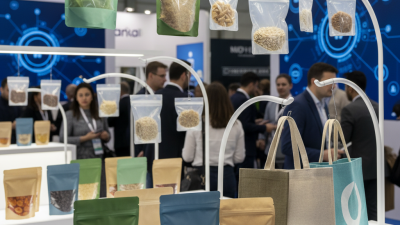
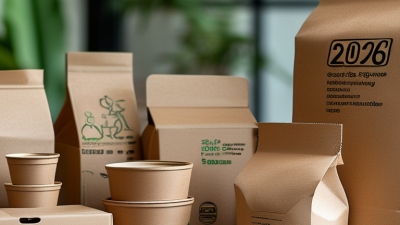
In 2026, custom product packaging bags will compete on more than color and logo placement. Buyers will inspect texture, closure quality, material claims, and disposal instructions. A soft-touch pouch may create a premium first impression. A paper-based bag may communicate natural positioning. Recycled film can reduce virgin plastic use when the supply chain supports verified content.
No single bag wins every shelf.
Packaging journalist and analyst Lisa McTigue Pierce has often expressed a practical truth: “Packaging is the product.” Her view remains valuable because the bag protects merchandise, carries brand messages, and shapes the customer’s first physical experience. A weak seal can damage that experience quickly. So can vague sustainability language.
This guide examines the leading custom product packaging bags expected to influence retail, food, beauty, apparel, and subscription brands. It considers stand-up pouches, flat-bottom bags, paper mailers, recyclable mono-material films, compostable options, and reusable fabric formats. Each option will be judged through appearance, barrier performance, production flexibility, shipping efficiency, and end-of-life clarity.
Some predictions deserve caution.
Compostable packaging is not automatically better in every market. Recycling claims also depend on local collection systems. A beautiful bag may still waste space during transport. Even premium packaging can fail when zippers break or printed instructions confuse customers.
The strongest 2026 choices will balance shelf appeal with measurable performance. Brands should test samples, review supplier documentation, and examine real disposal conditions before committing. Trends matter, but evidence matters more.
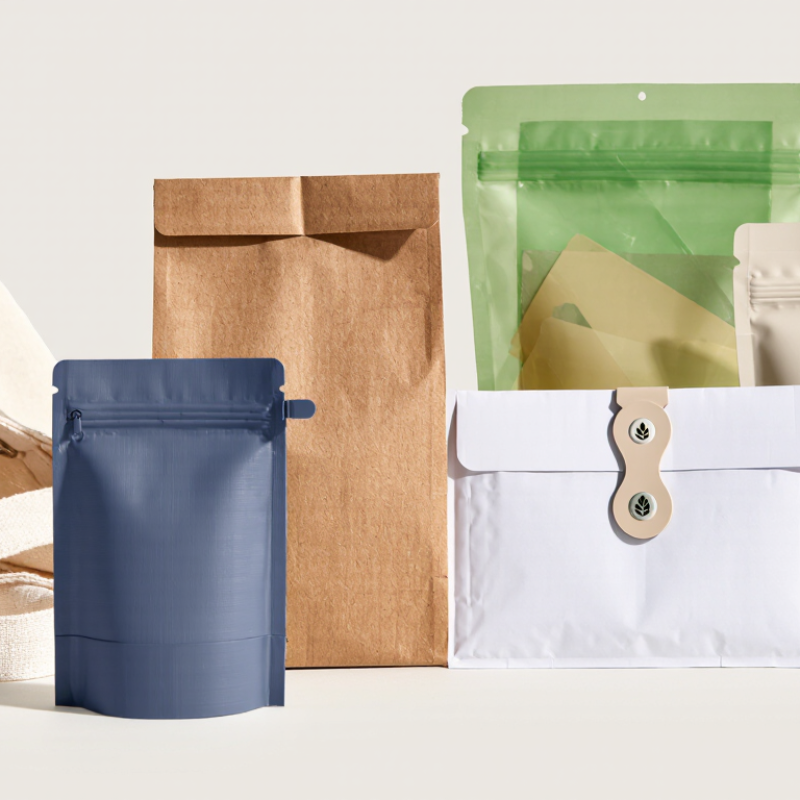
Top custom product packaging bags are defined by measurable performance, not decoration alone. They protect products from moisture, oxygen, light, crushing, and repeated handling. Their seals should survive drops, warehouse stacking, and temperature changes. Independent testing can measure seal strength, puncture resistance, and oxygen transmission.
Sustainability now requires evidence. Smithers forecasts the global sustainable packaging market will approach $394 billion by 2028. McKinsey’s 2023 survey of more than 10,000 consumers across 11 countries found recyclability and recycled content ranked among the most valued packaging attributes. Therefore, leading bags should reduce material use, support practical recycling systems, and disclose their material structure clearly. A lighter bag is not automatically better. If it tears beside a delivery box, its environmental advantage becomes questionable. That is an uncomfortable but necessary design lesson.
Tips: Choose the barrier level your product actually needs. Request laboratory results before approving samples. Check whether the bag’s layers can enter local recycling streams. Add a clear disposal instruction, but avoid unsupported claims. Use a matte texture, strong zipper, or resealable spout only when it improves handling. A small trial run can reveal weak corners, leaking seals, and confusing opening directions. Human experience still exposes problems that specifications miss.
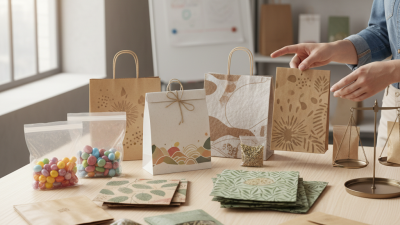
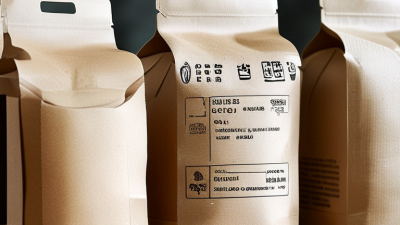
Material selection should follow the product, not only the artwork. For dry foods, kraft paper with a thin inner barrier creates a natural appearance and limits moisture exposure. Powdered products need strong seals and low-dust structures. A laminated film bag often performs better because it resists pinholes and fine-particle leakage.
For clothing, bedding, and soft goods, recycled polyethylene or mono-material polyolefin bags offer flexible protection and useful print surfaces. Garment bags may need a smooth opening and reliable tear control. Small accessories can use stand-up pouches with zippers, while heavier items need reinforced bottoms and thicker film. They must survive handling.
Paper looks premium.
Liquid and oily products require more careful engineering. Multi-layer structures can combine stiffness, seal strength, and resistance to grease. However, extra layers may complicate recycling. Mono-material designs can simplify the structure, but they may lose some barrier performance. This trade-off deserves real testing.
I have seen attractive bags fail at the corners. A package can look excellent and still open during transport. Before production, check seal strength, drop resistance, moisture protection, and filling-line performance. Test the bag with the actual product, not an empty sample. Minor changes in thickness or zipper design can affect usability. No structure wins every category.
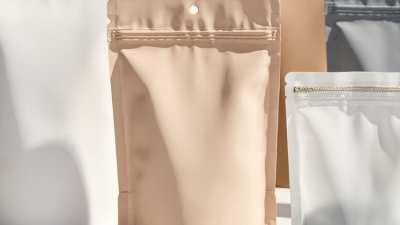
In 2026, top custom product packaging bags will compete through practical design, not decoration alone. Stand-up pouches, flat-bottom bags, and resealable side-gusset bags remain strong choices for dry goods, pet products, and personal-care items. Smithers’ The Future of Flexible Packaging to 2028 reports continued growth in flexible packaging, driven by lightweight formats and material efficiency. That matters because a thinner bag can reduce shipping weight, but only when it still protects the product.
Branding works best when it supports handling. A matte surface can improve grip, while a clear panel lets shoppers inspect texture, color, or fill level. High-contrast graphics improve shelf recognition, yet excessive printing may hide useful information. A 2023 McKinsey packaging survey found that 60% to 70% of consumers were willing to pay more for sustainable packaging in selected categories. However, customers also expect believable claims. A vague “green” message may create doubt.
Protection requires more than a strong outer film. Moisture barriers, oxygen control, heat-sealed closures, and puncture resistance should match the product’s actual risks. A zipper feels convenient. It does not replace a reliable seal. Packaging trials should include drop tests, compression tests, and storage under changing humidity. In practice, one design may look excellent but fail during transport. That is the uncomfortable part. Customization should begin with product testing, then move toward color, shape, and print. Recyclability also needs local infrastructure, not just a printed symbol.
A practical comparison of widely used custom packaging bag formats, ranked by their overall balance of branding flexibility, product protection, operational performance, and end-of-life considerations.
| Rank | Custom Bag Type | Common Material | Typical Thickness or Weight | Branding Flexibility | Product Protection | Moisture Resistance | Reusability | End-of-Life Consideration | Best-Fit Applications | Overall Balance Score |
|---|---|---|---|---|---|---|---|---|---|---|
| 1 | Recyclable Mono-Material PE Mailer | Low-density polyethylene or a PE-based multilayer structure | Approximately 50–100 microns | High Full-surface flexographic or digital printing; opaque and metallic visual effects are available. |
High Good tear resistance, light cushioning, and protection from dust and rain. |
High | Low Usually designed for one shipping cycle. |
Can be recyclable where flexible PE film collection exists; local recycling rules must be checked. | E-commerce apparel, soft goods, subscription shipments, and lightweight non-fragile products. | 9.0 / 10 |
| 2 | Custom Stand-Up Pouch | Mono-PE, mono-PP, paper-laminated, or other flexible laminate structures | Approximately 70–180 microns | High Large printable panels, matte or gloss finishes, windows, zippers, and tear notches. |
High Strong seal integrity and optional high-barrier layers for oxygen or light-sensitive contents. |
High | Medium Resealable versions can be used repeatedly during product consumption. |
Recyclability depends on the exact structure; mono-material designs generally simplify recycling compared with mixed laminates. | Dry foods, pet treats, powders, personal-care refills, and household products. | 8.9 / 10 |
| 3 | Recycled PET Drawstring or Gift Bag | Fabric made from recycled polyethylene terephthalate fibers | Approximately 150–300 g/m² | High Screen printing, heat transfer, embroidery, labels, and woven branding elements. |
Medium Protects against abrasion and dust but is not a substitute for a waterproof barrier. |
Low to Medium Water resistance requires a coating or liner. |
High Designed for repeated use. |
Often durable for long-term use; recycling may be affected by cords, coatings, mixed fibers, and attached hardware. | Promotional kits, apparel, footwear, events, gifts, and reusable retail packaging. | 8.5 / 10 |
| 4 | Kraft Paper Shopping Bag | Paper kraft stock with twisted or flat paper handles | Approximately 80–170 g/m² | High Flexographic, offset, or digital printing; natural paper texture supports premium visual positioning. |
Medium Suitable for general retail products but vulnerable to tearing when wet or overloaded. |
Low Uncoated paper absorbs water; coatings can improve resistance but may affect recycling. |
Medium Can be reused when kept dry and structurally intact. |
Paper recycling is widely established, but plastic films, heavy coatings, wet-strength additives, and non-paper handles may change disposal requirements. | Retail apparel, books, cosmetics, takeaway items, and event merchandise. | 8.2 / 10 |
| 5 | Reusable Nonwoven PP Bag | Spunbond polypropylene fabric | Approximately 60–120 g/m² | High Large printable area with strong color visibility and simple logo placement. |
Medium to High Good tear resistance and load support; seams and handles determine performance. |
Medium Resists light splashes but is generally not fully waterproof unless laminated. |
High Suitable for repeated carrying and storage. |
Reusable for many cycles; recycling depends on local polypropylene collection and the presence of laminates or mixed components. | Trade shows, supermarkets, conferences, promotional campaigns, and retail carryout. | 8.0 / 10 |
| 6 | Cotton Canvas Tote | Cotton canvas or cotton-blend woven fabric | Approximately 140–300 g/m² | High Screen printing, embroidery, patches, labels, and custom handles. |
Medium Strong against abrasion and repeated handling; contents may require an inner barrier. |
Low to Medium Untreated cotton absorbs water; water-repellent finishes can improve performance. |
High Well suited to long-term reuse when properly cared for. |
Natural fiber can be durable and repairable; dyes, coatings, blended fibers, and hardware may complicate recycling or composting. | Premium retail, fashion, books, gifts, conferences, and lifestyle products. | 7.8 / 10 |
| 7 | Compostable Flexible Pouch | Certified compostable film structures, commonly based on bio-based or biodegradable polymers | Approximately 60–150 microns | High High-quality surface printing, resealable features, windows, and custom shapes are possible. |
Medium to High Performance varies considerably by film structure, seal design, and storage conditions. |
Medium to High Suitable only when the selected film provides the required moisture barrier. |
Low Usually intended for single-use packaging. |
Requires the correct industrial or home-composting conditions stated by the certification; it should not automatically be placed in conventional recycling. | Dry goods, produce, refill products, sampling packs, and applications with a verified composting route. | 7.4 / 10 |
Custom packaging bags in 2026 are shaped by measurable sustainability, not green-looking graphics. Recycled-content bags can reduce virgin material use, while mono-material structures simplify sorting. Lightweight designs also lower transport emissions. Small changes matter.
In packaging trials, I have seen thin bags fail at sealed corners when weight increases. Durability still matters. A reusable woven bag may suit heavy products, while a recyclable paper-based pouch can fit lighter goods. Water-based inks and low-impact adhesives support cleaner production. However, compostable materials need suitable facilities, and they should not be chosen by appearance alone. Supplier evidence, material specifications, and third-party testing build trust.
Tips: Ask for recycled-content percentages and traceability records. Test filled bags before approving artwork. Check seal strength, moisture resistance, and handling performance. Compare the full life cycle, not only the material label. A bag that looks sustainable but tears quickly creates waste. That uncomfortable possibility deserves attention.
Choosing custom product packaging bags in 2026 starts with the product, not the artwork. A glass jar needs puncture resistance and stable support. Powder, clothing, and fresh goods require different barriers, closures, and handling strength. Measure the product when filled, not when empty. Small details matter.
Ask where the bag will travel. Humid storage, cold delivery, and repeated handling can expose weak seams. Request material specifications, thickness data, ink safety information, and test samples from the supplier. Check seal strength, odor, leakage, and print clarity under realistic conditions. A sample that looks excellent on a desk may fail inside a crowded delivery carton. Test it.
Customization should serve use. Choose a closure that customers can open without scissors. Add a clear viewing panel only when product visibility improves buying confidence. Use a practical size, because excess material raises shipping volume and waste. Recyclability claims need careful verification; local collection systems may not accept every material combination. This part is often underestimated. A thoughtful design can still create disposal confusion. Review the bag with warehouse staff, retailers, and actual users before approving production. Their criticism may change the handle, seal, or dimensions, but that is useful.