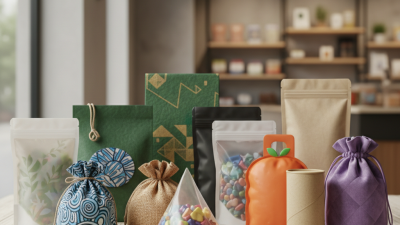
Why Do Small Businesses Need Custom Packaging Bags?
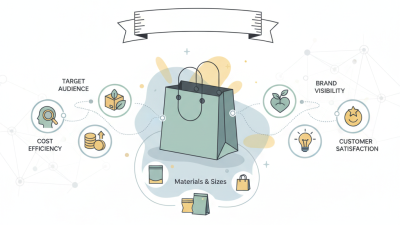
A customer often meets a small business through a package before meeting its people. A printed bag, a sturdy handle, and a cleanly sealed order can make that first interaction feel deliberate. Small business packaging bags are not merely containers; they protect products, carry brand details, and help create a consistent experience from checkout to delivery. But they also take up space and cost money. The right choice depends on the product, the sales channel, and the customer.
There is evidence that packaging choices matter to shoppers. McKinsey’s 2020 consumer survey on sustainable packaging found that 60–70% of respondents across several countries were willing to pay more for packaging that was better for the environment. That signals interest, not a promise that every customer will spend more. Materials, size, durability, and disposal options all shape how a bag performs in real use. A lightweight bag may lower shipping weight, while a weak seam can turn savings into damaged goods and complaints.
Custom bags can help smaller brands look recognizable without requiring a large storefront or elaborate display. A logo beside a clear product description may be enough; extra printing is not always better. Results depend on the audience, order volume, and how often bags are reused. Small tests help. Track damaged orders, packaging costs, and customer feedback before placing a large order. There is no perfect bag for every business, and sustainability claims need careful checking. A practical design, supported by reliable supplier specifications, is a better starting point than a trend-driven choice.
What Custom Packaging Bags Are and How They Differ
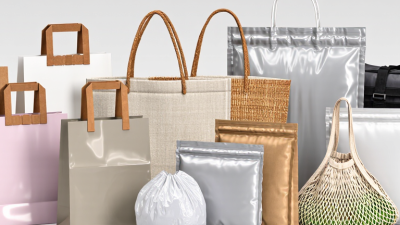
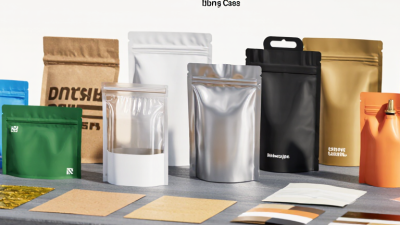
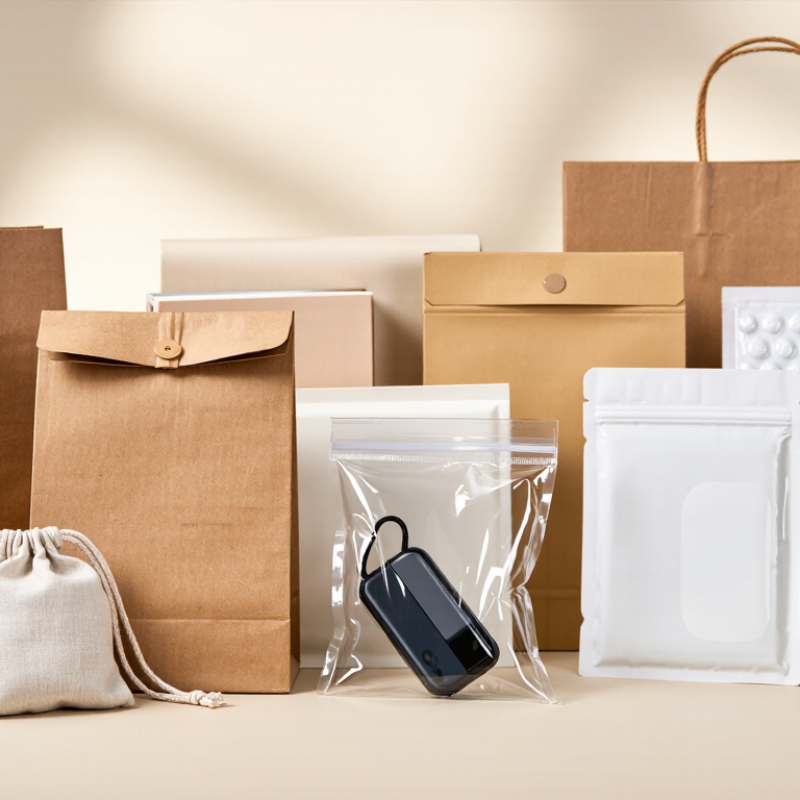
Custom packaging bags are made or adapted to a business’s product and presentation needs. Customization may include dimensions, material, handles, closures, printing, or finish. A café might choose a grease-resistant pouch for pastries, while a clothing shop may need a reusable carrier. Available options depend on the supplier’s equipment and minimum order quantity. That distinction matters.
Unlike standard stock bags, custom bags are not limited to preset sizes or plain designs. Some suppliers print a logo on an existing bag size; others produce a different format. A closer fit can reduce excess space and help protect fragile items. Fit matters. Yet custom does not automatically mean better. Special materials or printing can raise costs, and changing demand may leave a business with unused stock.
Tips: Measure the packed product, including tissue or inserts, then test a filled sample. Check its weight capacity, seal strength, and comfort when carried. Ask for material details and a written quote covering setup fees, shipping, and minimum quantities. A beautiful bag may be awkward to store. Start with a modest run when possible.
Why Do Small Businesses Need Custom Packaging Bags?
Typical Density Ranges of Common Bag Films
Custom packaging lets a business choose bag material, size, thickness, and print to suit its product and packaging needs. These typical resin-density ranges can help compare common film materials; actual values vary by grade, and density alone does not determine bag strength or suitability.
How Custom Designs Build a Small Business Brand
Custom packaging bags turn an ordinary handoff into a small, repeated brand encounter. A customer carries one past shop windows, onto a bus, or into an office. That visibility matters. An Ipsos survey for the Paper and Packaging Board found that 72% of Americans said packaging design could influence their purchase decisions (2018).
A useful bag does more than display a logo. Choose a clear color, readable type, and one detail customers can recognize across a counter. Place the business name where a hand will not cover it. Keep the handles comfortable. These choices help a small shop feel considered, even on a tight budget. Not every detail lands.
Packaging can also shape what happens after purchase. A 2016 e-commerce packaging report found that 52% of online shoppers were more likely to repurchase after receiving premium packaging. Still, costly finishes can eat into margins. Test a small batch before ordering thousands. A slightly imperfect first design may teach more than a flawless bag nobody can afford.
How Packaging Bags Protect Products and Support Practical Use
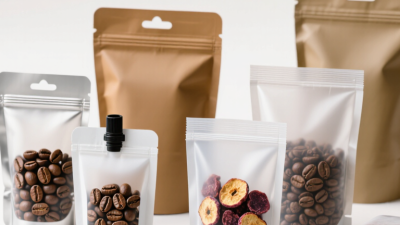
A custom packaging bag should do more than carry a logo. It needs to suit the product’s weight, shape, and route to the customer. A snug fit can limit shifting and scuffing; a dependable seal can help keep out dust and moisture. For a bakery, that might mean a gusseted bag that holds a loaf upright. For small hardware, it could mean a clear, resealable pouch that keeps parts together. Small details count.
The Flexible Packaging Association’s 2023 industry report put U.S. flexible-packaging sales at $42.9 billion in 2022. That figure shows the format’s scale, not that every bag offers equal protection. Material thickness, seal quality, and handling conditions all matter. A bag that works on a shop shelf may fail in a damp delivery van. Test it with the actual product.
Convenience matters after purchase, too. Tear notches, handles, and resealable closures can make opening, carrying, or storing goods easier. Yet extra layers and oversized bags create waste without necessarily improving protection. The U.S. Environmental Protection Agency’s 2018 Facts and Figures report counted 82.2 million tons of containers and packaging in municipal solid waste, or 28.1% of the total. Right-sizing is worth the effort, though it can take a few imperfect trials to find a bag that protects well without using more material than needed.
How Custom Bags Shape the Customer Experience
A custom packaging bag is often the first part of a small business’s product that customers can touch. Its handle, paper or fabric texture, and fit all shape that first impression. PwC’s 2018 Future of Customer Experience report found that 73% of consumers consider experience an important factor in purchasing decisions. Salesforce’s 2018 State of the Connected Customer report found that 80% of customers consider a company’s experience as important as its products or services. These findings cover the broader customer experience, not packaging alone, but they show why every customer touchpoint deserves attention.
A thoughtfully designed bag can make a purchase feel considered. A sturdy handle feels reassuring on the walk home; a clear logo helps customers recognize the shop later. For online orders, a neat bag inside the parcel can make unpacking feel personal rather than purely transactional. Small details count. Yet custom printing is not magic. If a bag tears, feels awkward to carry, or is much larger than the purchase, its appearance cannot fix the frustration. I’d test a few sizes with real products and ask customers what they notice before ordering in bulk. A design that looks polished on screen may feel different in a customer’s hand.
How Material Choices and Order Sizes Affect Cost and Sustainability
Custom packaging bags help a small business fit its product, but material and order size shape the real cost. A lightweight bag may use less material and reduce shipping weight. Yet it must still protect the item from sharp corners, moisture, or rough handling. Paper can suit dry goods and provides a familiar, easy-to-recycle option where local facilities accept it. Recycled plastic may be more suitable for products that need moisture resistance. Neither choice is automatically better in every situation.
Order size matters, too. A large run often lowers the price per bag, but ties up cash and takes storage space. If a logo, product size, or seasonal offer changes, unused bags can become waste. That matters. For a growing shop, a smaller first order may cost more per unit but reveal useful details: whether handles tear, ink rubs off, or the bag fits the product without excess material. Ask suppliers about minimum quantities, material specifications, and print setup fees before comparing quotes.
Sustainability depends on how bags are made and used, not just their material label. A thicker bag may last longer, but only if customers reuse it. A recyclable option has limited value if local collection systems cannot process it. Test samples with actual products, then review damage, customer feedback, and leftover stock after a sales cycle. The answer may be imperfect; packaging decisions often involve trade-offs.
 Skip to content