What Are the Top 10 Printed Pouch Bags Types?
Choosing the right pouch begins with a practical question: what must the package protect?
The answer changes with product texture, moisture, oxygen sensitivity, filling equipment, and shelf-life goals. Printed pouch bags can combine strong branding with flexible, efficient packaging. Yet attractive graphics cannot compensate for weak seals or unsuitable barrier layers. Real-world experience shows that small details matter. A zipper may improve reuse. A spout may improve pouring. A matte finish may hide scuffs, but it can also change shelf impact.
This guide explores ten widely used printed pouch bags types for different packaging needs. Each type is reviewed through structure, closure, printing method, application, and practical limitations. Stand-up pouches support shelf presentation and convenient storage. Flat pouches reduce space during transport and display. Rollstock, quad-seal, side-gusset, vacuum, retort, and specialty formats offer different performance advantages. Packaging professionals commonly assess seal strength, material compatibility, print durability, and filling-line efficiency before approving a design. Product owners should also request samples and conduct realistic handling tests. A pouch that looks excellent on screen may crease badly in production.
The word “top” is not absolute. It depends on the product, market, budget, and handling conditions. This overview provides a reliable starting point, not a final prescription. Some recommendations may need adjustment after testing. That is normal. Careful comparison helps teams avoid choosing packaging based only on appearance, price, or current trends. The strongest option balances protection, usability, brand communication, and responsible material decisions.
What Are Printed Pouch Bags and How Are They Classified?
Printed pouch bags are flexible packages made from layered films, then decorated with text, images, or color. The printed layer usually sits beneath a protective film, reducing scuffing during filling and transport. In practice, pouch classification is not completely fixed. One pouch may belong to several groups.
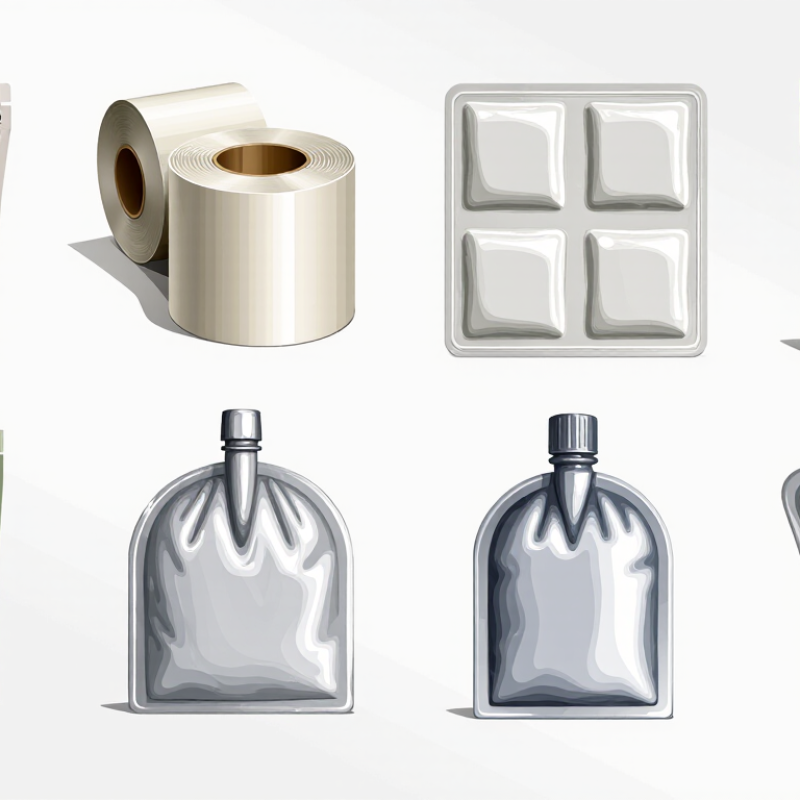
The common ten types include stand-up, flat, side-gusset, quad-seal, three-side-seal, zipper, spouted, retort, vacuum, and shaped pouches. Stand-up pouches use a bottom gusset for shelf display. Flat pouches are slim and economical for single portions. Side-gusset and quad-seal structures create extra volume for heavier contents. Three-side-seal pouches suit samples and lightweight products. Zippers support repeated opening, while spouts help control liquid pouring. Retort pouches require heat-resistant films and validated sealing. Vacuum pouches remove air around solid products. Shaped pouches use custom outlines for visual distinction.
Material structure creates another useful classification. A pouch may use polyethylene for sealing, polyester for strength, or aluminum foil for stronger light and oxygen protection. Paper-based laminates offer a different tactile appearance, but paper alone rarely provides enough barrier performance. Important details include seal width, puncture resistance, print accuracy, and compatibility with filling equipment. Small defects matter.
The categories overlap. A stand-up pouch can also be spouted and retortable. Choosing by appearance alone is risky. Testing should include drop checks, seal inspection, and storage trials under realistic conditions. Even experienced teams sometimes underestimate moisture transfer or zipper contamination during filling.
Top 10 Printed Pouch Bag Types: Common Structural Features
This chart compares commonly recognized printed pouch formats by the structural features typically associated with each type. A value of 1 means the feature is commonly used, while 0 means it is not typical. Actual specifications vary by product, material, and packaging process.
Which Materials and Structures Define Each Pouch Bag Type?
Printed pouch bags differ mainly through their materials, seals, and opening structures. Stand-up pouches commonly use PET, aluminum foil, and PE laminates for stiffness, barrier protection, and heat sealing. Flat pouches use compact PET/PE or nylon/PE films and suit lightweight products. Side-gusset pouches expand from folded panels. Quad-seal pouches add four strong vertical seals, improving shelf stability.
Three-side-seal pouches are simple, economical, and easy to fill. Spout pouches combine flexible laminates with a welded plastic fitment for controlled pouring. Retort pouches need multilayer structures, often including PET, aluminum, and cast polypropylene, to withstand high-temperature processing. Vacuum pouches usually include nylon for puncture resistance and PE for reliable sealing. These details matter.
Sachet pouches use thin, sealable films for small portions and clean tear lines. Shaped pouches use custom dies, curved seals, or handles to create a distinctive silhouette. Printed outer layers often use PET or treated films, while inner PE or CPP layers provide food-contact sealing. Some structures look excellent but perform poorly after repeated handling. That deserves testing.
Moisture, oxygen, light, puncture, and seal strength should guide material selection. A glossy finish may improve shelf appeal, yet it can reveal scratches during transport. Foil gives strong light protection, but it reduces visual transparency. Recyclable mono-material films are developing, though their barrier and sealing performance may require compromise. Lab testing, drop trials, and seal checks remain more reliable than appearance alone.
How Do You Choose the Right Printed Pouch Bag?
What Are the Top 10 Printed Pouch Bags Types?
How Do You Choose the Right Printed Pouch Bag?
Choosing a printed pouch bag starts with the product, not the artwork. Consider stand-up, flat-bottom, side-gusset, three-side-seal, quad-seal, spouted, retort, sachet, windowed, and paper-look pouches. Each format supports different filling speeds, shelf positions, and customer expectations.
A stand-up pouch suits snacks, powders, and household items. A spouted pouch works better for products poured slowly. Retort pouches require materials tested for heat processing.
Check the product’s weight, moisture, oil content, and oxygen sensitivity. A dry product may need moisture protection, while oily contents can challenge weak seal areas. Ask the converter for barrier data, seal-strength results, and sample testing.
Do not choose a pouch only because its print looks attractive. Glossy film can improve color impact, but fingerprints may reduce its shelf appeal. Matte surfaces feel refined, yet scuffing can become visible.
I once preferred a lightweight pouch to reduce material use. The seal felt less forgiving during packing. That decision needed more testing.
Measure the filled pouch, then test stacking, dropping, opening, and storage conditions. Check whether the zipper, tear notch, or spout is comfortable for real users. The best printed pouch balances protection, usability, machine performance, and clear product information. Small artwork changes can also affect registration, readability, and production waste.
What Printing and Design Features Affect Pouch Performance?
Printed pouch bags perform best when graphics support the structure, not merely decorate it. Common types include stand-up, flat, side-gusset, quad-seal, spouted, retort, vacuum, sachet, paper-laminated, and mono-material pouches. Each format faces different stress. A stand-up pouch needs a stable base and accurate seal area. A spouted pouch needs strong alignment around the fitment. Retort pouches require inks and films that tolerate heat, pressure, and moisture.
Print quality affects real handling.
High-contrast text remains easier to read under warehouse lighting. Fine lines may disappear after film stretching or sealing. Large color blocks can reveal wrinkles, registration errors, and scuff marks. Matte finishes reduce glare, while gloss coatings can improve shelf visibility. However, excessive coating may reduce friction, causing stacked pouches to slide.
Design decisions also influence opening and storage. Tear notches should be visible but must not weaken the seal. Rounded corners can reduce punctures during transport. Clear windows help users inspect contents, yet they may reduce barrier protection. In testing, a zipper can feel convenient but fail when powder reaches the track. That detail is easy to overlook. I would also question decorative metallic effects, because they can complicate recycling choices and increase production variability. Small changes in seal width, ink adhesion, and artwork spacing often matter more than attractive graphics.
 Skip to content