Why Choose Plastic Packaging Bags for Your Business?
Plastic packaging bags remain a practical option for businesses that need lightweight, adaptable product protection. They can help keep out moisture and dust, and many formats support clear product display or printed instructions. A pouch holding coffee, for example, can sit flat on a shelf while protecting its contents from routine handling. The right design depends on the product, transport route, storage conditions, and local recovery options.
Industry data adds useful context. The OECD’s Global Plastics Outlook (2022) estimates that packaging represented 40% of global plastic waste in 2019. That figure describes waste, not the performance of any individual bag. It does, however, show why packaging choices deserve careful scrutiny. Businesses should weigh material use, product protection, transport efficiency, and end-of-life handling together. A thinner package is not automatically a better choice if it leads to damaged goods or extra packaging.
There are trade-offs. Some plastic packaging bags use less material than rigid alternatives, but recyclability varies by material, design, and available collection systems. Verify supplier specifications, ask for evidence behind environmental claims, and check whether local facilities accept the chosen format. Small details matter: a mixed-material pouch may be harder to sort than a simpler structure. This is not a perfect answer; data and recycling access differ between markets. Still, a measured comparison can help businesses choose packaging that fits both their products and their operating realities.
Types and Key Features of Plastic Packaging Bags
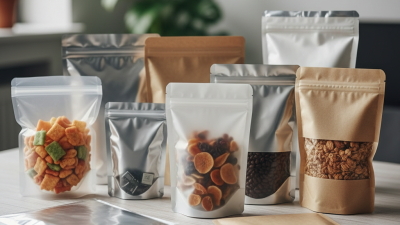
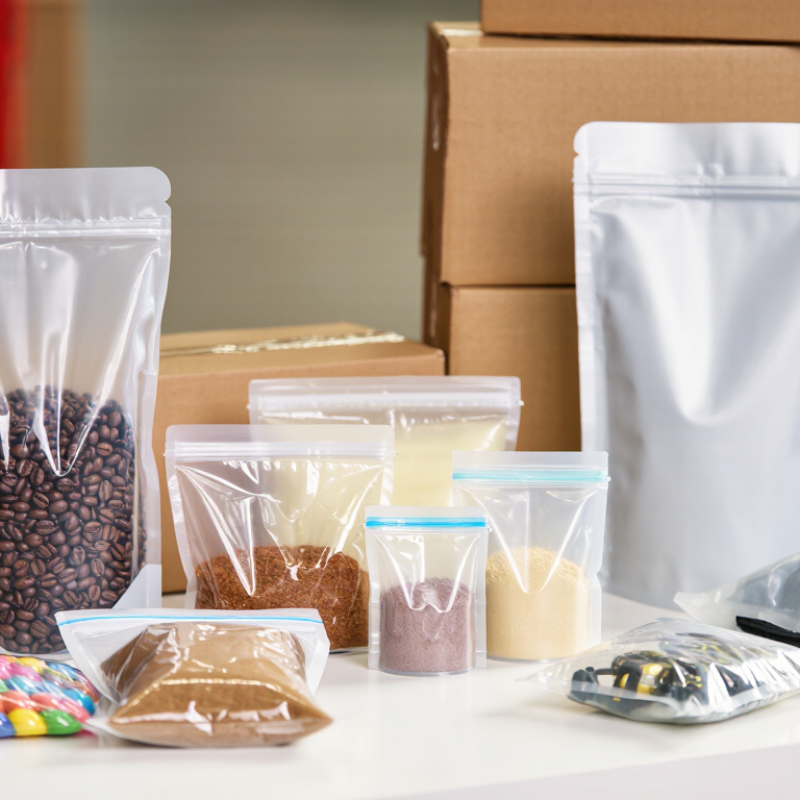
Plastic packaging bags come in several practical formats. Flat bags suit garments, printed materials, and small components. They open easily and take up little storage space. Stand-up pouches use a bottom gusset to remain upright on shelves. This can improve visibility, though a poorly filled pouch may lean or tip. Side-gusset bags expand to hold bulkier goods, while roll bags work well for repeated packing tasks.
Material choice affects strength, clarity, and moisture protection. Polyethylene is flexible and commonly used for everyday bags. Polypropylene often provides a clearer, crisper appearance. Some products need layered films to improve barrier performance against moisture, oxygen, or odors. The right structure depends on the product and its storage conditions. Check seal quality, bag dimensions, and the weight each package must carry. A thicker film is not automatically better; it can add cost and make packing less convenient. Test a sample with the actual product. Small details matter. A sharp corner or weak seal can cause failure during handling.
Why Choose Plastic Packaging Bags? — Typical Material Density Ranges
Density is one factor in choosing a packaging material: lower-density films can help reduce package weight, while the right choice also depends on strength, barrier needs, sealing, and local recycling options. Values shown are typical material ranges; actual density varies by grade. PET is commonly used as a layer in laminated packaging.
How Plastic Bags Protect Products During Storage and Transit
During storage and transit, plastic packaging bags help shield products from dust, splashes, and routine handling. A sealed bag can keep small parts together and reduce exposure to damp warehouse air. That matters for paper goods, textiles, and components with clean surfaces. Clear film also lets staff check labels or contents without opening the package.
Protection depends on choosing a bag that fits the product. A little extra room helps prevent seams from pulling tight, while excessive space can let items slide and rub against each other. For sharp corners or heavier contents, thicker film or an inner wrap may be needed. A firm seal helps keep out moisture, but it cannot prevent damage from prolonged soaking or rough impact. Not magic.
In practice, the neatest-looking package is not always the safest one. A thin bag may look fine on a packing table, then split when a box is stacked or shifted. Test a filled sample through ordinary handling: lift it, move it, and check the seams. Also consider temperature changes, since some plastics become less flexible in cold conditions. Small trials can reveal weak points before a full shipment goes out.
Cost and Customization Benefits for Businesses
Why Choose Plastic Packaging Bags for Your Business?
Cost and Customization Benefits for Businesses
Plastic packaging bags can help businesses control packaging costs, especially when products vary in size or ship in high volumes. Their low weight may reduce shipping expenses, while flat storage keeps back-room shelves less crowded. Actual savings depend on bag thickness, order quantity, printing, and supplier terms. Compare the total delivered cost, not just the unit price. A cheaper bag that tears during packing can add labor and product loss. Small details matter.
Customization can make a plain bag more useful. Choose dimensions that fit the product, then consider a handle, resealable closure, or clear panel only when it serves a real purpose. A simple logo or readable product information can improve recognition without excessive printing. Request samples and test them with actual products and packing equipment. This takes time. It may reveal awkward seals or sizing problems before a large order arrives. Plastic is not ideal for every product or customer expectation, and custom orders may require minimum quantities. Check local disposal guidance and describe materials accurately. Packaging choices are rarely perfect; a practical design balances cost, protection, and ease of use.
Common Applications Across Business Sectors
Plastic packaging bags serve different daily needs across business sectors. Grocery stores use bags for produce, dry goods, and takeaway orders, where easy carrying and moisture resistance matter. In warehouses, liners protect parts from dust, while courier businesses use mailers for soft goods and documents. Small details matter. A strong seal helps prevent leaks, but an oversized bag wastes material and storage space.
Food businesses often value clean, lightweight packaging that handles quick packing and short trips home. Retailers may choose clear bags so staff can identify items at checkout, while manufacturers use thicker bags for components that need protection during handling.
The scale is significant: the OECD’s Global Plastics Outlook (2022) estimates packaging accounted for about 40% of plastic waste generated worldwide in 2019. In the United States, the EPA reported that containers and packaging made up 28.1% of municipal solid waste in 2018. Those figures cover packaging broadly, not bags alone.
That distinction matters. Plastic is not the right fit for every product; local collection options, bag strength, and actual reuse should shape the choice. A neat specification on paper can still fail at the packing bench.
Factors to Consider When Selecting Plastic Packaging Bags
Choosing plastic packaging bags starts with the product, not the bag’s appearance. A bag for dry parts may need less barrier protection than one holding moisture-sensitive goods. Check the product’s weight, shape, and edges. A sharp corner can puncture thin film during handling. Bag dimensions matter too: excess space can let items shift, while a tight fit may strain the seal.
Tips: Request sample bags and fill them with the actual product. Check the seal, opening, and fit after ordinary handling. If contents need protection from moisture or oxygen, confirm the film’s barrier properties with the supplier. Do not rely on thickness alone; material type and construction also affect performance.
Consider how staff will pack the bags and how customers will open them. A resealable closure can help with repeat access, but it may add cost and packaging material. Ask whether the bag suits your filling equipment, especially if heat sealing is involved. Test sealing temperature and pressure on a small batch before ordering at scale. Also review local disposal options and customer expectations. Recyclability can depend on the bag’s material and available collection systems, so verify specific claims. The perfect choice is rarely obvious at first. A simple trial can reveal awkward openings or weak seals that a specification sheet may miss.
 Skip to content