Why Choose Custom Food Bags for Your Business?
Choosing packaging is not just a branding decision. It affects how food is protected, presented, stored, and carried. Custom food bags can help a business match its packaging to its products, from a warm bakery loaf to a chilled takeaway meal. The right size can reduce excess space, while a clear label or distinctive color can make products easier to recognize. Small details matter. A bag that fits the food well may also be easier for staff to pack during busy service.
Good choices start with practical questions. What will the bag hold? Will it face grease, moisture, heat, or repeated handling? A supplier should explain material options, printing limits, and sample availability in plain terms. Businesses should also confirm that a selected material suits the intended food and use, and check relevant requirements in their market. Ask for samples. Test the seal, handle strength, and print quality with real products before placing a large order. These steps offer better evidence than a digital mock-up alone.
Customization has trade-offs. More colors or special finishes may increase costs, and a beautiful design cannot fix a weak bag. Not always. A simpler option may serve a small café better, especially when demand changes by season. Review minimum order quantities, storage space, and reorder times alongside appearance. Even careful planning can miss something; staff feedback after a trial run may reveal awkward openings or difficult stacking. The best custom food bags balance food suitability, reliable performance, brand identity, and a cost the business can sustain.
What Custom Food Bags Are and How They Serve Different Products
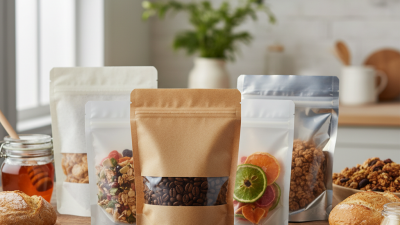
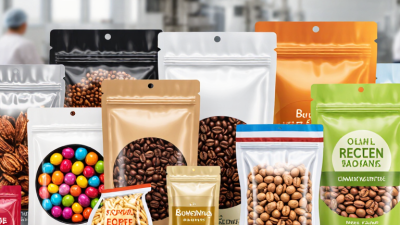
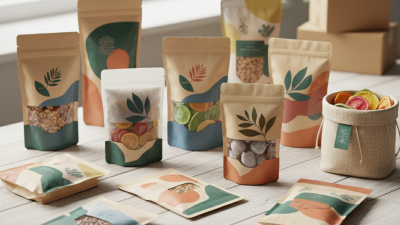
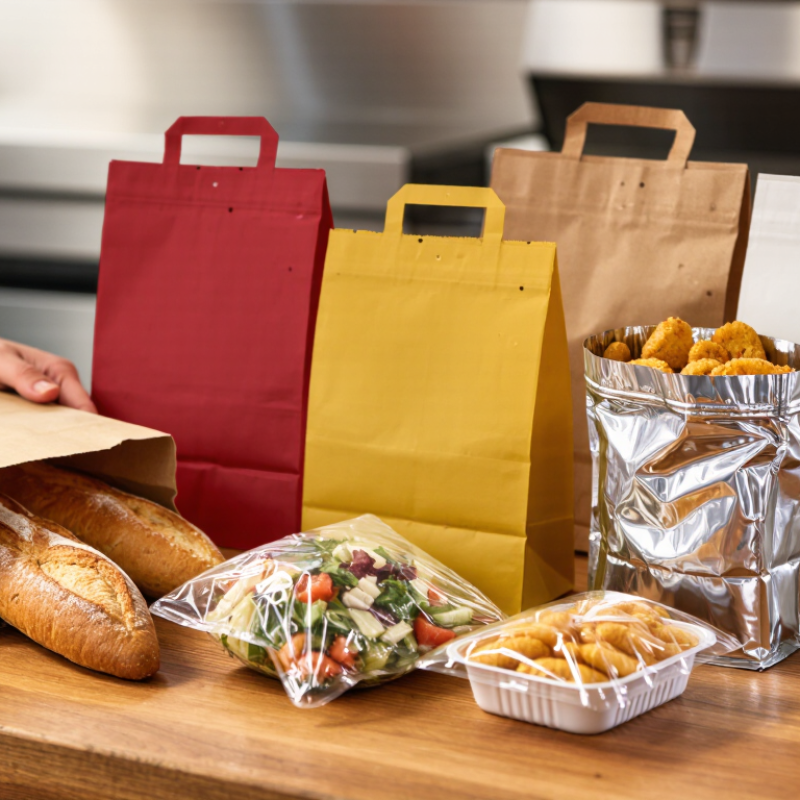
Custom food bags are packaging designed around a product’s size, handling needs, and presentation, rather than a one-size-fits-all pouch. Options include paper or flexible film, flat or gusseted shapes, resealable closures, clear windows, and printable surfaces. The right format can help a bag stand upright, open easily, or protect delicate contents during transport.
A bakery might use grease-resistant paper bags for warm pastries, while cookies often need a secure closure to help them stay fresh. Coffee generally benefits from a high-barrier pouch and a valve that releases gas from roasted beans. Fresh produce may need breathable packaging; moist or frozen foods call for materials suited to water exposure and cold storage. Details matter. No material fits every food.
Choose the bag based on the product before focusing on its artwork. Measure portions, test a filled sample, and consider how staff will seal and stack it. A design that looks right on a screen can disappoint on a damp counter. Request food-contact documentation and confirm that the bag’s construction suits its intended use. Small trial runs help, though they may not reveal every challenge during delivery.
How Bag Materials and Features Match Food Safety Requirements
A custom food bag is a safety component, not just a printed wrapper. The material must suit the food’s temperature, fat content, moisture, and contact time. A paper bag may work for dry bread, while greasy pastries often need a tested grease-resistant layer. For hot foods, confirm that every layer and adhesive is rated for the intended heat. A tight seal helps limit leaks and handling exposure. Details matter.
The U.S. Centers for Disease Control and Prevention estimated 48 million foodborne illnesses each year in its 2011 analysis, “Foodborne Illness Acquired in the United States—Major Pathogens.” Packaging cannot prevent every hazard, but suitable materials and reliable seals can support hygienic handling. Ask suppliers for food-contact compliance documentation and test results for the actual food and conditions. FDA food-contact substance requirements provide one U.S. reference; requirements vary by market.
Features should solve a real handling problem. A moisture barrier can protect crisp foods from humid air, while a vent may reduce condensation in warm baked goods. However, too much ventilation can dry food out. That trade-off deserves a trial with the product inside, not just an empty-bag inspection. Check seal strength, leaks, and food quality after realistic storage and transport. Keep records of specifications and test conditions. A bag that looks sturdy may still fail when filled, stacked, or warmed.
Why Choose Custom Food Bags? Match Materials and Features to Food Safety Needs
Different foods call for different packaging features. These qualitative ratings show typical design priorities—not laboratory performance measurements. Select food-contact-compliant materials and validate the finished bag for the intended food, temperature, and storage conditions.
How Custom Designs Strengthen Brand Recognition
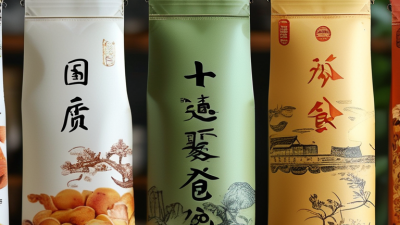
Custom food bags can make a business easier to recognize before a customer takes the first bite. A clear logo, a consistent color palette, and readable type help connect the bag to the menu and storefront. Keep the main design simple. A crowded layout can hide the details that matter.
Think about where the bag will be seen: in a customer’s hand, on a pickup shelf, or beside a lunch on a desk. Strong contrast helps text stay visible in dim restaurants and on busy streets. A small logo near the center may show better in photos than one printed close to a folded edge. Test a sample bag with actual food inside. Creases can shift the design.
Good design also needs practical checks. Make sure key text remains legible at the bag’s real size, and ask for a print proof before ordering a large quantity. Colors can look different on screen and on paper. That detail is easy to overlook. There is no perfect layout for every shop, either; a design that suits a bakery may feel out of place at a takeout counter. Review customer feedback and adjust carefully, even if the first version already looks polished.
How Custom Food Bags Support Operations and Customer Experience
Custom food bags help staff move orders through busy service with fewer interruptions. A bag sized for a sandwich, pastry, or takeaway meal can reduce shifting and make items easier to handle. Clear labeling areas help teams mark allergens, order names, or pickup times without searching for extra stickers. During a lunch rush, those seconds matter.
The material and construction should match the food. Grease-resistant paper can help contain oil from warm pastries, while a sturdy base supports heavier containers. Handles are useful for larger orders, but they add cost and storage needs. Not every shop needs them. A simple flat bag may work better at a counter with limited room. Teams should test bags with real menu items, including hot and damp foods, before ordering in volume.
For customers, thoughtful packaging makes carrying and opening an order feel straightforward. A readable design can show where to hold the bag and whether it should stay upright. That matters. But decoration cannot fix a bag that tears or traps steam, softening the food. Packaging is only one part of the experience; staff accuracy and food quality still shape the impression. A well-chosen bag can protect the meal and make handoffs smoother, though customers may notice it most when something goes wrong.
How to Evaluate Costs, Suppliers, and Sustainability Options
Custom food bags can protect a product and carry practical brand information, but the lowest unit price rarely tells the whole story.
Compare quotes per 1,000 bags, including print setup, minimum order quantities, freight, storage, and expected waste. A bag that saves a fraction of a cent may cost more if its seal fails or its size slows packing. Ask suppliers for material specifications, food-contact documentation, lead times, and sample bags for real fill-and-seal trials.
Small details matter.
I still find supplier comparisons messy when quotes use different thicknesses or delivery terms.
Sustainability claims need the same careful checking. UNEP’s 2023 report, Turning off the Tap, estimates that packaging accounts for 36% of plastics produced globally. That is a reason to reduce unnecessary material, not proof that every alternative is better. Compare bag weight, recycled content, barrier performance, and the disposal options customers can actually access.
The U.S. EPA reported that containers and packaging generated 82.2 million tons of municipal solid waste in 2018; 28.1% was recycled.
Those figures cover many packaging types, not food bags alone. Ask suppliers for supporting data, and check whether compostable or recyclable claims match local collection systems.
That gap matters.
A thinner bag may use less material, yet fail sooner; test it with the food, temperature, and handling conditions your business faces.
 Skip to content