Top 10 Types of Packaging Bags for Global Buyers?
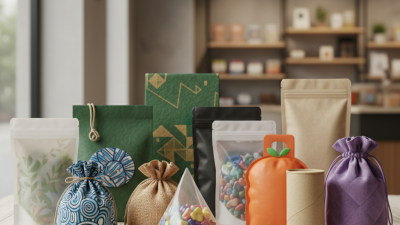
Global buyers are rethinking packaging bags as costs, sustainability targets, and product protection collide. The choice is no longer limited to paper or plastic. Stand-up pouches, flat bags, woven sacks, vacuum bags, and recyclable mono-material formats serve very different supply chains.
Smithers’ report, The Future of Global Flexible Packaging to 2028, projects continued growth for flexible packaging worldwide, exceeding US$300 billion by 2028. The Flexible Packaging Association reported that the United States flexible packaging industry generated about US$39.8 billion in sales during 2023. These figures show strong demand, but they also expose a problem. Market growth does not guarantee a suitable bag.
A bag that survives a humid warehouse may fail during ocean freight. A matte pouch may look premium but complicate recycling. A low-cost woven sack may protect bulk goods while weakening brand presentation. Walter Soroka, a recognised packaging educator, wrote, “Packaging is the science, art, and technology of enclosing and protecting products for distribution, storage, sale, and use.” His definition remains practical for international purchasing decisions.
This guide examines the top 10 types of packaging bags for global buyers. It considers barrier performance, filling equipment, closure systems, material structure, printing, transport conditions, and end-of-life options. The ranking is not absolute. That needs admitting.
A buyer exporting coffee needs different protection from one shipping animal feed, cosmetics, or frozen food. Supplier claims also require verification through specifications, samples, and testing. The right packaging bags should protect the product, support efficient handling, and match realistic sustainability goals.
What Are Packaging Bags and How Are They Classified?
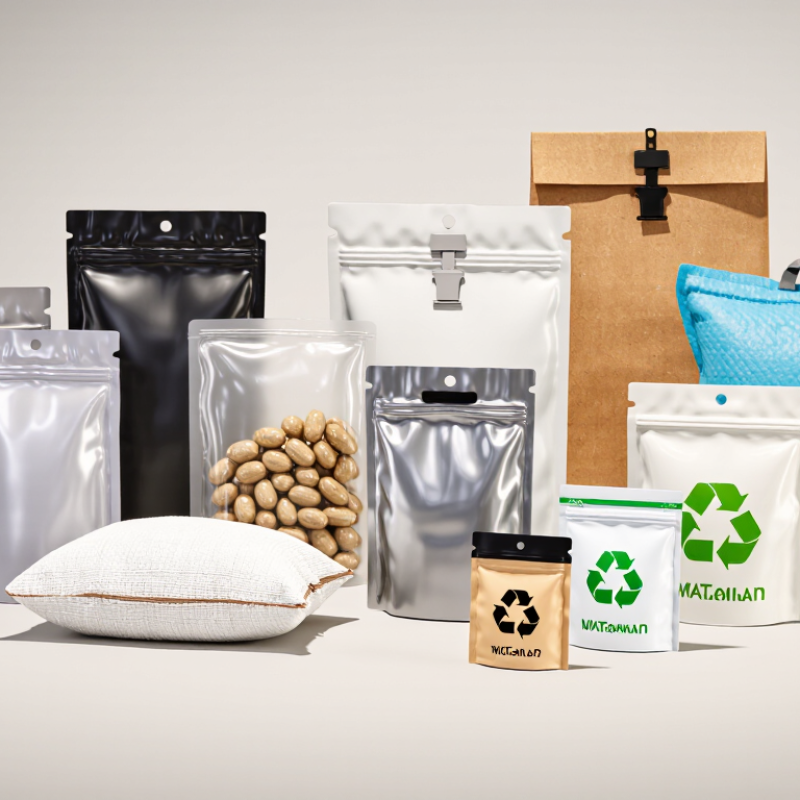
Packaging bags are flexible containers designed to hold, protect, and transport products. They may control moisture, dust, light, air, or physical impact. In practical sourcing work, classification starts with material. Paper, plastic film, woven polypropylene, and plant-based films behave differently during filling and storage.
Construction creates another useful division. Common types include paper bags, plastic film bags, woven bags, valve bags, stand-up pouches, flat pouches, vacuum bags, gusseted bags, compostable bags, and flexible bulk bags. Each type serves a different handling need. Flat pouches save space. Gusseted bags stand more securely. Vacuum bags reduce trapped air. Woven bags suit heavier contents. Valve bags can support faster industrial filling.
Closure, capacity, barrier level, and printing method refine the classification. A zipper may improve repeated use, while heat sealing usually supports stronger product protection. A high-barrier laminate can limit oxygen and moisture transfer. Yet more layers can increase cost and complicate recycling. That trade-off is easy to overlook. Details matter. Buyers should test drop strength, seal quality, odor, and storage performance before approving production. A bag that looks suitable in a sample room may fail beside a hot warehouse door. Even experienced teams sometimes choose appearance over real loading conditions. That mistake deserves review. A reliable specification should state dimensions, material structure, thickness, tolerance, closure style, and intended filling weight.
Which Ten Packaging Bag Types Serve the Global Market?
Global buyers commonly specify ten bag types. Stand-up pouches, flat pouches, sachets, vacuum bags, and retort pouches serve food and household markets. Other workhorses include woven polypropylene sacks, paper bags, polyethylene mailers, produce bags, and flexible intermediate bulk containers. Smithers’ The Future of Global Flexible Packaging to 2029 forecasts this sector above US$300 billion by 2029. That scale reflects demand for lighter shipping, strong printing, and efficient filling. Still, format choice is rarely simple.
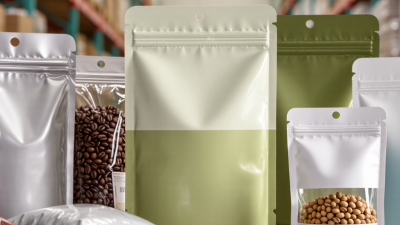
Stand-up pouches provide shelf visibility and convenient resealing. Flat pouches reduce material use for single portions. Vacuum bags protect appearance and limit air exposure. Retort pouches support heat-processed foods, while woven sacks carry grains, minerals, and agricultural materials. Paper bags fit dry goods when stiffness and a natural surface matter. FIBCs handle large-volume industrial shipments, but lifting design needs careful review. The OECD’s Global Plastics Outlook recorded 353 million tonnes of plastic waste worldwide in 2019. Therefore, buyers should request material specifications, barrier data, seal-strength tests, and end-of-life guidance. A recyclable claim can still fail locally. The details matter. Cost comparisons should include rejected units, freight volume, filling speed, and storage humidity. I would also question universal packaging advice; regional recycling systems, machinery, and climate often change the best choice.
Top 10 Types of Packaging Bags for Global Buyers
Typical commercial capacity ranges for widely used packaging bag formats across food, agriculture, chemicals, retail, and industrial supply chains.
Capacity ranges are indicative specifications commonly used in international packaging applications. Actual capacity depends on material density, dimensions, closure design, and filling requirements.
How Do Materials and Structures Differ Among Bag Types?
Packaging bags differ less by appearance than by material behavior and layer structure. A polyethylene film bag bends easily, resists moisture, and suits frozen foods or household goods. Polypropylene feels stiffer and clearer, making it useful for woven sacks and transparent pouches. Polyester adds strength and print stability, but usually needs another sealing layer. Paper provides a natural texture, yet its fibers weaken when exposed to water. Very thin aluminum foil blocks light, oxygen, and moisture, although it complicates recycling when laminated.
A bag’s structure changes its performance. A flat pouch uses fewer seals and less film. A stand-up pouch adds a bottom gusset, allowing it to sit on a shelf. A side-gusset bag carries more volume, while a vacuum bag needs strong puncture resistance. Many laminated bags combine polyester, foil, and polyethylene, with each layer serving a different purpose. The OECD Global Plastics Outlook reports that packaging created about 40% of global plastic waste in 2019. That figure makes material selection difficult, not optional.
Industry forecasts from Smithers identify downgauging, recyclability, and barrier performance as major flexible-packaging priorities through 2029. However, thinner film is not automatically better. A weak seal can cause leakage, product loss, and extra transport emissions. That assumption deserves testing. Buyers should request seal-strength data, oxygen-transmission rates, moisture barriers, and recyclability guidance for the destination market. In practice, a mono-material polyethylene pouch may recycle more easily, but it can lose stiffness or barrier performance. The best structure depends on contents, filling temperature, shelf life, and handling conditions.
 Skip to content