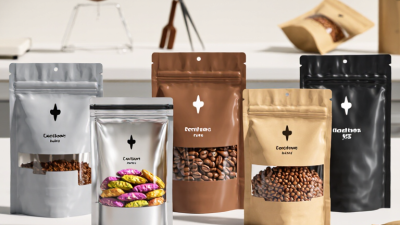
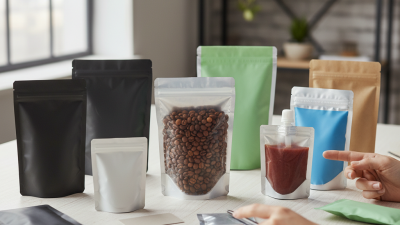
10 Tips for Choosing the Best Stand Up Bags?
Choosing the right stand up bags is rarely as simple as selecting an attractive finish. A package may look excellent on a product page, yet perform poorly on a warehouse shelf. Practical evaluation should consider the product, filling process, storage environment, and customer expectations. A glossy pouch can improve visibility, while a matte surface may offer a more premium touch. Neither option is automatically better.
These ten tips focus on details that influence real performance. Check the bag’s dimensions, material structure, seal strength, zipper quality, and resistance to moisture or oxygen. For example, a pouch holding powdered goods may need a stronger closure than one used for dry snacks. Ask suppliers for technical specifications, sample units, and test results from recognized laboratories. Reliable documentation matters more than confident sales language. It also helps to inspect sample bags after filling, stacking, and transport. Small wrinkles near the seal can reveal larger production problems.
There is no perfect pouch.
Cost, appearance, durability, and sustainability can conflict. A thinner structure may reduce material use but could require more careful handling. A premium finish may increase shelf appeal while raising production costs. These trade-offs deserve honest review. Supplier experience, quality-control procedures, and traceable manufacturing records can support better decisions. However, even a reputable supplier may not predict every issue in a specific filling line. Testing remains essential. Careful selection turns stand up bags from a visual packaging choice into a dependable part of the product experience.
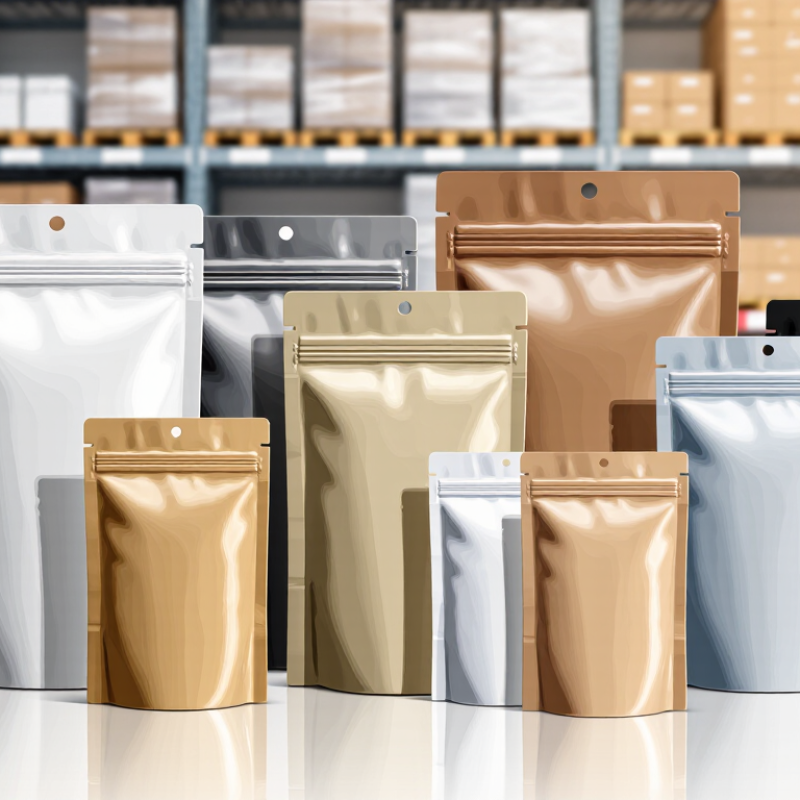
Define the Product, Purpose, and Packaging Requirements
Choosing the best stand up bag starts with defining the product, not admiring a sample. Is the product powdery, oily, sharp, fragile, or sensitive to moisture? A dry snack may need a strong moisture barrier, while coffee can require protection from oxygen and light. Product weight also matters. A 500-gram filling needs more support than a small seasoning portion. Start with the product.
Purpose shapes the bag’s daily performance. Will customers open it once, reseal it repeatedly, or pour directly from the pack? A wide opening improves access, but it may reduce pouring control. A zipper supports reuse, although crumbs can weaken the seal. Consider storage conditions too. Refrigerated goods, warehouse heat, and transport pressure can expose weak packaging choices. I have seen attractive bags fail because the closure was tested only when empty.
Packaging requirements should be written as measurable details. Set the target size, fill weight, barrier level, seal strength, zipper function, and print area. Request samples filled with the real product, not air. Test them after stacking, dropping, and several opening cycles. Check whether the bag stands steadily on a shelf. Check whether the seal remains clean after filling. Small residue can create a large leak.
Do not over-specify everything. Extra layers may increase cost and material use without improving protection. This is where careful comparison matters. Record test results, supplier feedback, and any weak points before final approval. One overlooked requirement can change the entire package.
Choose the Right Bag Material and Barrier Properties
Choosing the right stand-up bag starts with the product’s sensitivity, not its appearance. A shiny surface may suggest protection, but appearance proves little. Ask for oxygen transmission rate and water vapor transmission rate data. Low OTR helps protect oils, aromas, and oxidation-sensitive foods. Low WVTR helps prevent moisture gain, clumping, and texture loss.
Material selection should match shelf-life targets and filling conditions. Polyethylene offers flexible sealing, while polypropylene can improve heat resistance. Polyester often adds stiffness and print support. Aluminum foil provides strong light, oxygen, and moisture barriers, but it complicates recycling. Metallized films or EVOH layers may reduce material use, though their performance depends on thickness and structure. The Flexible Packaging Association reported approximately 40.8 billion dollars in U.S. flexible packaging sales in 2023, showing how widely these structures are used.
Test the complete bag, not only the film. ASTM D3985 supports oxygen transmission testing, while ASTM F1249 measures water vapor transmission. Drop tests, seal-strength tests, and pinhole checks matter too. Contamination around the seal can cause failure. Small defects become expensive later. In practical line trials, a slightly weaker barrier may still work when the seal is more reliable. That trade-off deserves careful review. Shelf-life claims should come from product-specific testing, storage trials, and verified laboratory data.
Check Supplier Quality, Compliance, Cost, and Sustainability
10 Tips for Choosing the Best Stand Up Bags
Choosing stand up bags requires more than comparing unit prices. Ask suppliers for factory audit records, material specifications, and recent quality reports. Check seal strength, drop resistance, puncture resistance, and barrier performance. Request samples from several production lots. One attractive sample proves little. Paperwork can mislead. Confirm lot traceability, calibration records, and corrective-action procedures before placing a large order. Supplier experience matters when bags contain oily, acidic, or moisture-sensitive products.
Compliance should be verified for the intended market and product. Request food-contact declarations, migration testing, ink and adhesive information, and certificates from accredited laboratories. Do not accept vague claims such as “eco-safe.” Confirm whether testing covers the complete bag, including closures and printed layers. ISO 18601 provides a useful framework for packaging and environmental requirements. However, standards do not replace independent verification. Your technical team should review each document.
Cost includes more than the quoted bag price. Compare freight, minimum order quantities, filling speed, rejected units, and storage space. A cheaper pouch can become expensive if seals fail during transport. Sustainability also needs evidence. The OECD Global Plastics Outlook reported that only 9% of plastic waste was recycled globally in 2019. Ask about recycled content, material reduction, recyclability in the target market, and production waste. UNEP’s 2023 report found that plastic pollution could be reduced by 80% by 2040 through reuse, recycling, and redesign. Those options may not suit every product. Test real performance, measure trade-offs, and record what the supplier cannot yet prove.
10 Tips for Choosing the Best Stand-Up Bags
This practical screening model gives the greatest emphasis to supplier quality, food-contact compliance, barrier performance, and seal integrity. Ask suppliers for documented quality systems, material specifications, migration declarations, test reports, batch traceability, lifecycle information, and total landed cost. The percentages are suggested buyer-planning weights, not market-share statistics.
 Skip to content