Skip to content
Printed pouch bags are flexible packages made from layered films, paper, foil, or recyclable structures. They protect products while giving brands a compact surface for color, information, and identity. James Pilditch, author of The Silent Salesman, described packaging as “the silent salesman.” That idea still feels accurate. A pouch on a store shelf must attract attention before anyone reads its details.
This guide examines what printed pouch bags are and how their designs differ. Flat pouches suit samples, powders, and lightweight snacks. Stand-up pouches use a bottom gusset for shelf stability. Side-gusset bags hold larger volumes, while spouted pouches support controlled pouring for sauces, drinks, and household products. Retort pouches withstand heat processing, but their material choices require careful technical testing. Paper-look pouches may appear natural, although their inner barrier layer can still contain plastic.
The printing method matters too. Rotogravure supports consistent, high-volume production. Digital printing can reduce setup waste and help smaller brands test several designs. However, attractive printing cannot compensate for weak seals, poor barrier performance, or unclear disposal guidance. That part is often overlooked.
A reliable pouch begins with the product itself. Moisture, oxygen, light, aroma, filling temperature, and transport conditions all influence the structure. Real-world trials remain essential. A design that works in a factory sample may wrinkle, leak, or scuff during distribution. This article offers a practical introduction to printed pouch bags, their main types, and the decisions that make them functional, credible, and easier to evaluate.
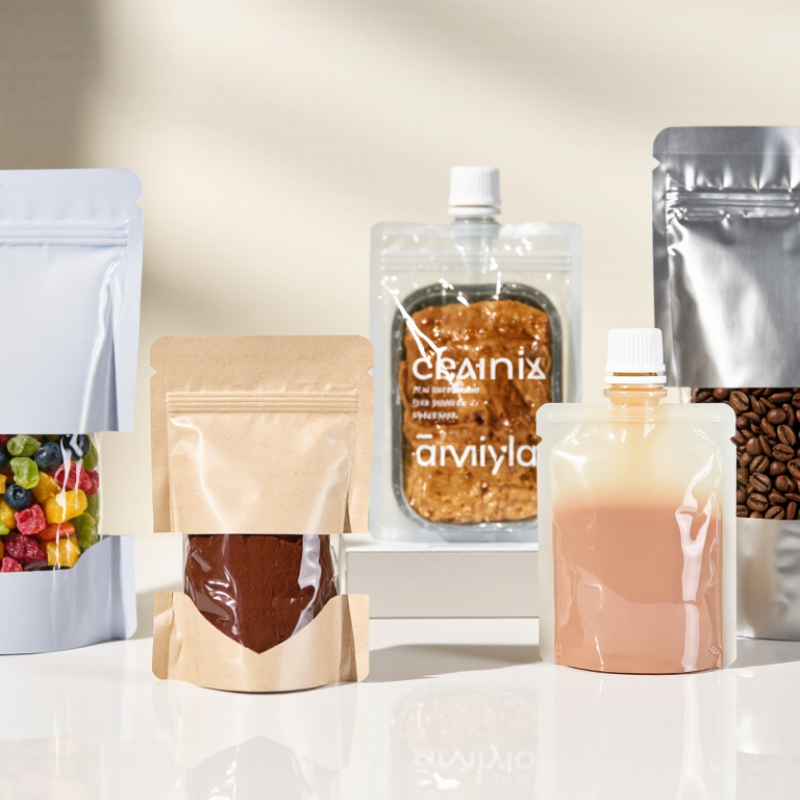
Printed pouch bags are flexible packages made from layered films. They hold products while displaying graphics, instructions, and handling information. Unlike rigid containers, pouches can bend, compress, and use less storage space.
A printed pouch usually contains two or more bonded layers. The outer layer supports printing and protects the design from scuffing. A middle layer can provide strength, stiffness, or light protection. The inner sealant layer contacts the product and closes with heat.
Some structures use aluminum foil, while others use high-barrier plastic films. Material selection depends on moisture, oxygen, aroma, temperature, and sealing requirements.
Common types include flat pouches, stand-up pouches, and side-gusset pouches. Flat pouches suit powders, samples, and small portions.
Stand-up designs use a bottom gusset, allowing the package to remain upright on shelves. Side-gusset versions expand sideways and often carry larger contents.
Press-to-close zippers, tear notches, spouts, and windows add practical value. However, every feature increases design and production complexity.
The Flexible Packaging Association reported US flexible packaging sales of about US$40 billion in 2023. That figure shows the sector’s importance, but it does not make every pouch automatically sustainable.
Structure, printing method, seal quality, and disposal conditions still require careful evaluation.
What Are Printed Pouch Bags and Their Types?
Printed pouch bags are flexible packages with graphics applied before or after forming. Common formats include flat pouches, stand-up pouches, and spouted pouches. Their material choice affects sealing, barrier protection, print quality, and recycling options. The Flexible Packaging Association reported that United States flexible packaging sales reached about 40.9 billion dollars in 2023. That scale shows why material engineering matters, not only visual appeal.
Polyethylene, or PE, is widely used for its softness and reliable heat sealing. Polypropylene, or PP, offers stiffness and strong moisture resistance. Polyester, commonly called PET, supports sharp printing and dimensional stability. Many pouches combine PET, PE, or PP with aluminum foil for light and oxygen protection. High-barrier films may also use EVOH, while paper layers create a more natural texture. Smithers’ 2024 flexible packaging forecast identifies multilayer films as important for performance, although material separation remains difficult. No film is perfect.
For lower material complexity, manufacturers increasingly test PE or PP mono-material structures. These can simplify recovery when local systems accept them, but barrier performance may decrease. Printed inks, adhesives, and sealant layers also influence the final package. A pouch that looks recyclable may still require careful technical review. That detail is often overlooked. Material selection should follow the product’s moisture, oxygen, heat, and transport demands, rather than artwork alone.
What Are Printed Pouch Bags and Their Types?
Printed pouch bags are flexible packages made from laminated films, recyclable structures, or paper-based materials. Their surfaces can display product information, instructions, patterns, and color graphics. In practical packaging work, pouch selection depends on the product, filling process, shelf-life target, and customer handling.
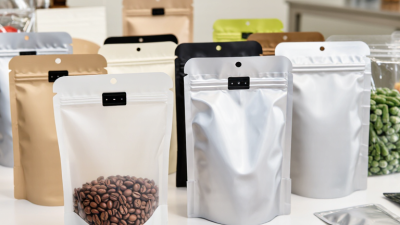
Stand-up pouches have a bottom gusset, so they remain upright on shelves. They suit snacks, powders, pet food, and household products. Flat pouches use less material and fit easily into cartons or mailing packs. They work well for single-use portions and samples. Side-gusset pouches expand outward, offering extra capacity for products such as coffee, grains, and dry ingredients. Design matters here. A weak seal can reduce the pouch’s real value.
Spouted pouches provide controlled pouring for sauces, drinks, and liquid household products. Retort pouches use heat-resistant layers for products requiring high-temperature processing. Zipper pouches can be opened and closed repeatedly, although the zipper may not protect contents if the main seal is poorly made. Tear-notched pouches offer quick access without extra tools. Convenient, but sometimes messy.
Reliable pouch development requires checking film strength, seal quality, ink adhesion, barrier performance, and migration suitability for the intended use. Printing should remain readable after bending, rubbing, and storage. A glossy finish may attract attention, while a matte surface can improve grip and reduce reflections. There is no perfect pouch. Designers often balance appearance, protection, cost, and material recovery, and that balance deserves careful testing rather than assumptions.
Printed pouch bags are flexible packages decorated with graphics, text, or product information. Common types include stand-up pouches, flat pouches, spouted pouches, and side-gusset bags. Each structure supports different uses. A stand-up pouch suits shelves, while a spouted pouch supports controlled pouring.
Gravure printing creates sharp images and consistent color across large production runs. Flexographic printing works well for simpler designs and shorter setup times. Digital printing supports small batches, variable artwork, and faster sampling. Before production, request a physical proof. Screens can misrepresent color, especially soft beige and deep green. That detail is easy to underestimate.
Customization extends beyond artwork.
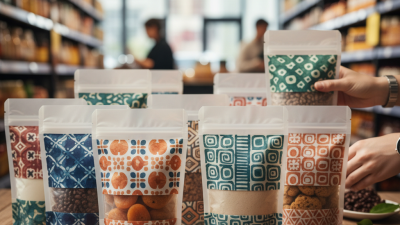
Choose matte film for a quiet, premium appearance, or gloss film for stronger shelf visibility. A transparent window can show texture, but it may reduce light protection. Zippers, tear notches, handles, and rounded corners change how people use the pouch.
Material selection also matters. Barrier layers can help protect contents from oxygen, moisture, and light. For products involving direct contact, confirm ink and film suitability for the target market’s requirements.
Specifications should be checked with the converter, not guessed from a sample. Small errors happen. A zipper may sit too close to the seal, or text may disappear near a fold. Careful dieline review prevents costly revisions.
Printed pouch bags are flexible packages made from layered films, then decorated with digital, rotogravure, or flexographic printing. Common formats include flat pouches, stand-up pouches, spouted pouches, and retort pouches. Each serves a different handling need. A stand-up pouch fits neatly on a shelf. A spouted pouch supports controlled pouring. Retort structures withstand heat processing.
Application should guide pouch selection, not appearance alone. Food, pet nutrition, personal care, and household products often require strong seals and controlled oxygen transmission. Moisture-sensitive products may need aluminum or high-barrier films. The Flexible Packaging Association’s 2024 industry report valued the United States flexible packaging market at about 39.5 billion dollars in 2023. That scale reflects wide adoption, but it does not make every pouch suitable for every filling line.
Check film compatibility, seal temperature, puncture resistance, filling speed, and storage conditions. A pouch that survives shipping may still wrinkle during automated filling. Plant trials should test drop impact, seal strength, and print scuffing with the actual contents. Smithers’ The Future of Flexible Packaging to 2028 forecasts continued global market growth, increasing pressure for lighter and more resource-efficient structures. Yet thinner is not automatically better. Poor barrier performance can create waste. I have seen selection teams focus on graphics first; that is a costly habit. Recyclability claims also require careful review, because local collection systems may not accept every multilayer pouch.