
Skip to content
A Standing Pouch Making Machine can turn a packaging choice into a practical production advantage. It forms, fills, and seals pouches designed to stand upright on shelves, while helping manufacturers create consistent package shapes and seals. The value is tangible: fewer awkward packs tipping in transit, clearer product displays, and a format that can suit many dry or liquid goods. Still, equipment is not a shortcut. Product properties, pouch materials, output targets, and available floor space all affect the right choice.
Before investing, buyers should examine changeover time, seal consistency, operator access, and the availability of technical support. Ask to see the machine run with materials close to your own. Watch how smoothly the film tracks. Inspect a finished seal. Small details matter.
As [Verified Industry Expert’s Name] puts it, “[Insert a verified quotation about pouch-making equipment or packaging efficiency].” This quotation should be confirmed with the expert or a reliable published source before use; an invented attribution can undermine trust. A careful assessment may take longer than a brochure suggests. That is worth admitting. The right Standing Pouch Making Machine is not simply the fastest model on paper. It is the one that fits your product, workflow, and team—and performs reliably under real production conditions.
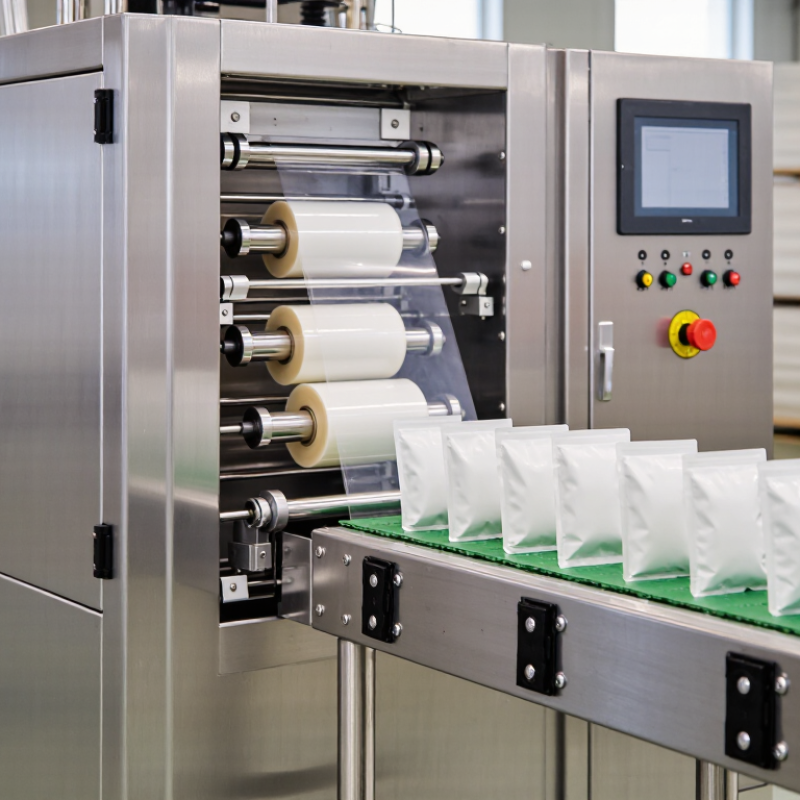
A standing pouch making machine is equipment that turns flexible packaging film into pouches with a bottom gusset, allowing the filled package to stand upright. It feeds film from a roll, guides it through forming stations, and seals selected edges with controlled heat and pressure. A cutting unit then separates the finished pouches. The exact sequence depends on the machine’s design.
Some machines also add zippers, spouts, or shaped tops. These features require compatible tooling and careful setup. Operators typically check seal strength, pouch dimensions, and film tracking during production. A small shift in alignment can create uneven edges or weak seals. That detail matters.
The machine does not work equally well with every film structure or pouch size. Material thickness, seal layers, and gusset dimensions all affect settings and output. A practical evaluation should include sample runs using the intended packaging material. The process sounds straightforward, but setup can be fussy. Even experienced operators may need adjustments when changing film or pouch specifications.
Why Choose a Standing Pouch Making Machine?
How Does the Pouch Production Process Work?
Pouch production begins with a roll of flexible packaging film. The machine unwinds it while guiding the web through forming and sealing stations. Tension must stay consistent; loose film can wrinkle, while excess tension may stretch it. Small details matter. Depending on the machine design, the film is folded to create a bottom gusset, which helps the finished pouch stand upright.
Heat and pressure join the film layers along the bottom and side seals. Operators adjust temperature, pressure, and sealing time to suit the material structure. A zipper or spout can be added when the pouch design calls for one. The machine then cuts the connected web into individual pouches. Exact station order varies, so setup should follow the equipment and packaging specifications.
Finished pouches need practical checks, not just a quick visual glance. Operators can inspect dimensions, seal appearance, and opening alignment, then test samples for leaks or seal strength. A slight registration drift may shift a zipper or print out of position. That is easy to miss during a rushed changeover. Tracking defects and adjusting the settings helps keep production consistent, though no single setting works for every film.
| Production Stage | What Happens | Key Controls and Checks | Why It Matters |
|---|---|---|---|
| 1. Film unwinding | A roll of flexible packaging film is mounted and fed into the machine. | Confirm film direction, roll alignment, web tension, and material compatibility. | Stable feeding helps reduce wrinkles, tracking errors, and material waste. |
| 2. Web guiding and registration | Guiding and registration systems keep the film positioned as it moves through the machine. | Check print-mark detection, film centering, and repeat-length settings when printed film is used. | Accurate positioning supports consistent pouch dimensions and print placement. |
| 3. Pouch forming | The film is folded or shaped into the body of the pouch; a bottom gusset is formed to create the standing base. | Verify fold alignment, gusset depth, and pouch width against the approved specification. | A correctly formed gusset allows the finished pouch to stand when filled. |
| 4. Heat sealing | Heated sealing jaws join the compatible sealant layers to create the pouch seams. | Set and monitor temperature, pressure, and dwell time according to the film supplier’s guidance and production trials. | Consistent sealing conditions help produce strong, uniform seams without damaging the film. |
| 5. Feature insertion (if required) | Optional components, such as a zipper, spout, or valve, are positioned and sealed into the pouch design. | Check component position, seal integrity, and compatibility with the intended filling and use requirements. | Optional features can improve opening, reclosing, dispensing, or product-specific functionality. |
| 6. Cutting and discharge | The formed web is cut into individual pouches, which are then collected for inspection or filling. | Inspect cut position, edges, pouch length, and overall appearance. | Clean, repeatable cutting supports consistent pouch presentation and downstream handling. |
| 7. Quality verification | Samples are checked against the product specification before routine production continues. | Typical checks include dimensions, seal appearance, standing stability, and seal-strength testing where required. | Routine checks help identify process variation and support consistent product quality. |
| Why choose a standing pouch machine? | A purpose-configured machine can combine forming, sealing, and cutting in a coordinated process. It can help standardize pouch production, support optional features, and reduce manual handling. Actual output, pouch formats, and material compatibility depend on the machine configuration, film structure, and operating conditions. | ||
A standing pouch making machine forms flat packaging film into pouches with a bottom gusset, sealed edges, and, when configured, features such as zippers or tear notches. Its main advantage is repeatability. When film tension, temperature, and sealing pressure are set correctly, pouch dimensions and seals can stay more consistent across a production run. That matters.
Automation can reduce repetitive handwork. Operators can spend more time checking film alignment, seal quality, and material supply instead of forming each pouch manually. A stable process may also reduce trim waste, though results depend on the film, pouch design, and setup. Small adjustments count.
The machine can support different pouch sizes and formats, which helps manufacturers respond to changing product needs without rebuilding an entire packaging line. Changeovers still take time, and new materials may need testing before production. A poorly tuned seal can wrinkle or leak, so routine inspection remains essential. The benefit is practical, not automatic: good output relies on trained operators, suitable materials, and careful maintenance.
A typical pouch packaging line handles each pouch through a sequence of steps. Automating these steps can help create a consistent package and streamline production.
How to read the chart: The bars show the order of common process stages, not cycle time or performance. Exact capabilities depend on the machine configuration; options such as zipper or spout handling may be available on some models.
Why Choose a Standing Pouch Making Machine?
Which Industries Use Standing Pouches?
Food and beverage producers are the biggest users. Snacks, coffee, sauces, dried fruit, and powdered drinks benefit from pouches that stand upright on shelves and reseal after opening. Grand View Research’s Stand-up Pouches Market report identifies food and beverages as the leading application segment. The Flexible Packaging Association’s 2023 industry report also puts food at about 51% of U.S. flexible-packaging sales in 2022. The figures cover broader flexible packaging, not stand-up pouches alone, so that distinction matters.
Pet food is another clear fit. Kibble, treats, and wet-food portions need packaging that can handle frequent opening, storage, and varied sizes. Personal-care and household brands use pouches for products such as shampoo refills, detergents, and cleaning liquids. Spouts help control pouring. Small sachets and refill packs also reduce shelf space. The details matter.
A standing pouch machine can serve these sectors, but product and material choices differ. Food may need strong barrier protection; liquids need reliable seals around spouts. One caveat: a pouch is not automatically the better pack. Shelf stability, filling speed, and local recycling options should be checked before choosing a format. That assessment is easy to overlook.
Choosing a standing pouch making machine starts with the pouch, not the advertised speed. The Flexible Packaging Association’s 2023 State of the Flexible Packaging Industry report estimated U.S. sales at $42.9 billion in 2022. That scale reflects diverse formats and materials, so confirm the machine handles your pouch dimensions, film structure, zipper, and spout requirements. Ask for a trial using your actual material. A neat sample matters.
Next, compare usable output, changeover time, and sealing consistency under realistic conditions. A machine rated for high speed may slow down with heavier film or frequent size changes. Check how operators adjust forming collars, temperature, and registration, and whether routine cleaning requires special tools. Small details add up.
Also assess floor space, power and air needs, spare-part access, training, and service response. Request documented test results, reject rates, and output data for a similar pouch—not just a best-case demonstration. There is a trade-off: extra automation can reduce manual work, but may raise maintenance demands. Verify each claim against your production plan, and allow room for imperfect trials.